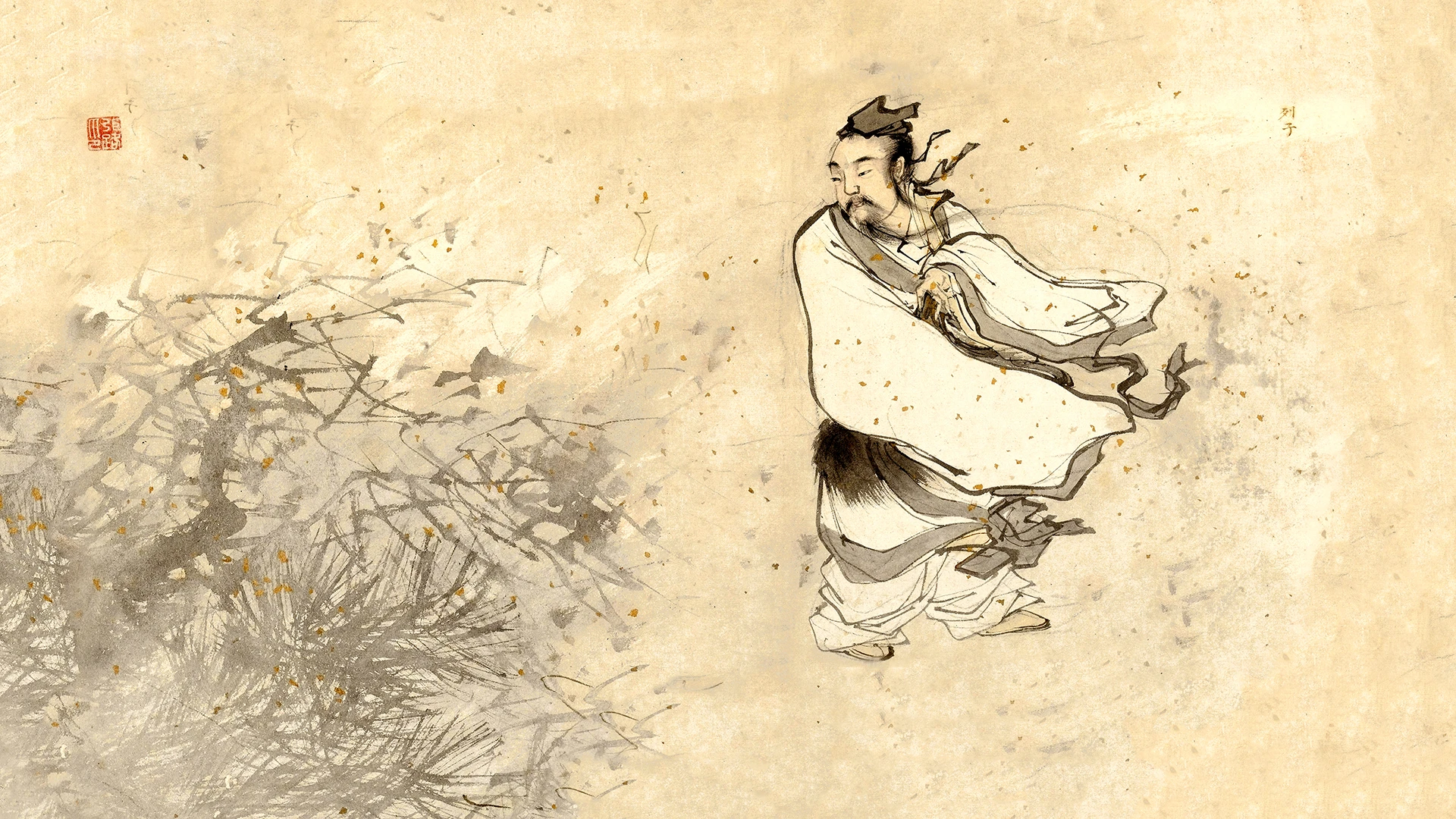
Wuwei (无为) often translated as “non-action,” is a fundamental concept in Taoist philosophy and has an important role in the practice of Tai Chi. While it may sound like doing nothing, wuwei is actually a way of acting without forcing or interfering with natural processes. In this blog post, we will explore the concept of wuwei and its significance in Tai Chi, drawing on the works of ancient Taoist philosophers such as Liezi, Zhuangzi, and Laozi.
Understanding Wuwei
At its core, wuwei is about letting go of our ego and allowing things to unfold naturally, without our intervention. It involves being in a state of awareness, so we can respond to situations appropriately without creating resistance or conflict. It’s not about being passive, but rather actively engaging with the world around us in a way that is aligned with the flow of nature.
According to Taoist philosophy, all things arise from the Tao, or the Way, which is the ultimate reality that transcends all dualities. The Tao is not something that can be described in words, but rather something that can be experienced through direct intuition. It is the source of all life and the underlying order of the universe. To live in harmony with the Tao, we must let go of our desires, judgments, and attachments, and allow ourselves to be guided by the natural order of things.
Wuwei is not just a philosophical concept, but a practical one as well. It can be seen in the way we move, breathe, and interact with others. In Tai Chi, wuwei is embodied in the practice of slow, flowing movements that follow the natural rhythms of the body and breath. The goal is not to force the movements or achieve a specific outcome, but rather to allow the movements to emerge spontaneously from within.
Wuwei in Action
To illustrate the concept of wuwei, let’s look at some stories from ancient Taoist philosophers.
Liezi
In the Liezi 1 there is a story about a butcher named Ding.
One day, a prince came to Ding’s shop and asked him to cut up an ox. Ding did so with ease, using his knife as if it were an extension of his hand. The prince was amazed and asked Ding how he was able to cut up the ox so effortlessly. Ding replied, “I don’t look at the ox with my eyes, but with my mind. My mind tells my hand where to go, and the knife follows. I let go of my ego and allow the natural order of things to guide me.”
This story demonstrates the idea of wuwei as effortless action, where the mind and body are in harmony and work together seamlessly. By letting go of his ego and allowing the natural order of things to guide him, Ding was able to perform his task with ease and skill.
Zhuangzi
In the Zhuangzi 2 there is a story about a man training a fighting cockerel.
There once was a man who wanted his fighting rooster to be more ferocious. He took the rooster to a trainer. In a few weeks’ time he returned and saw that his rooster didn’t squawk as loudly.
“Not ready yet,” said the trainer. Two weeks later he saw that his rooster barely raised his neck feathers and wings.
“Not ready yet,” said the trainer. Another week passed. His rooster looked as tame and docile as a chick.
“You’ve ruined my fine fighting bird!” screamed the man at the trainer.
“Not at all,” the trainer replied, “See how calm and secure he is, how serenely strong he stands today. The other fighting birds take one look at him and they all run away!”
This story illustrates the idea of wuwei as less is more. Rather than making a fuss and drama, calmness and serenity prevails. This is a quality cultivated by the masters of martial arts above all else, to keep your head and avoid panic. To stick to your guns when facing adversity. The other birds cannot fathom the trained bird, they see only nothingness, no fear, no anger, they flee.
Laozi
One example of Wuwei in the Tao Te Ching 3 is in Chapter 17, where it is said:
“The best leaders are those the people hardly know exist. The next best is a leader who is loved and praised. Next comes the one who is feared. The worst one is the leader that is despised.”
This passage suggests that the most effective leaders are those who act with Wuwei, or non-action, by not drawing attention to themselves or forcing their will upon others. Instead, they allow things to unfold naturally and lead by example, without seeking personal glory or control. This way of leading is seen as harmonious and beneficial for both the leader and the people they serve.
Cooking a small fish can also be an example of Wuwei in the Tao Te Ching. In Chapter 64, it is said:
“A kingdom is like a great, low-lying river, The point where all the streams and torrents in the world converge. If you can keep centered and true, The kingdom will be centered and true. With Wuwei, the whole kingdom is refreshed, Without Wuwei, the kingdom becomes weary and oppressed.
Just as a small fish should not be over-handled, The ruler must not over-manage the people with force. In this way, the Tao of Heaven is reflected in the land, And all things flourish without being commanded.”
This passage suggests that just as a small fish should not be over-handled when cooking, a ruler or leader should not try to control or manipulate their people too much. Instead, they should practice Wuwei by allowing things to unfold naturally and trusting in the natural order of things. By doing so, the kingdom will be refreshed and all things will flourish without the need for force or excessive intervention.
Wuwei in Tai Chi
In Tai Chi, wuwei is embodied in the practice of slow, flowing movements that follow the natural rhythms of the body and breath. Rather than trying to force the body into a specific position or movement, Tai Chi practitioners allow the movements to arise spontaneously from within. By doing so, they cultivate a deep sense of awareness and sensitivity to the natural flow of energy within the body and the environment.
Through regular practice of Tai Chi, practitioners can develop a sense of ease and relaxation in their movements, which can help reduce stress and promote overall well-being. Tai Chi has been shown to have a range of health benefits, including improving balance, flexibility, and cardiovascular health, as well as reducing symptoms of anxiety and depression.
Research has also shown that Tai Chi can help reduce inflammation in the body, which has been linked to a range of chronic health conditions, including cardiovascular disease, diabetes, and cancer. In one study, participants who practiced Tai Chi regularly for 12 weeks showed a significant reduction in levels of inflammation compared to a control group.
In addition to the physical benefits, Tai Chi also has a meditative aspect, which can help cultivate a sense of inner peace and calm. By focusing on the movements and the breath, practitioners can quiet the mind and enter a state of deep relaxation. This can be particularly beneficial for those who suffer from anxiety or stress-related disorders.
Wuwei in Daily Life
While Tai Chi is a powerful practice for cultivating wuwei, the principles of non-action can be applied to all areas of our lives. By letting go of our ego and allowing things to unfold naturally, we can reduce stress and create a greater sense of harmony and balance.
One way to incorporate wuwei into daily life is to cultivate awareness. Being aware means being fully present in the moment, without judgment or distraction. By cultivating awareness of our thoughts, feelings, and surroundings, we can learn to respond to situations with greater clarity and equanimity.
Another way to cultivate wuwei is to practice surrender. Surrender involves letting go of our attachment to outcomes and allowing things to unfold as they will. Rather than trying to control every aspect of our lives, we can learn to trust in the natural order of things and allow ourselves to be guided by it.
Finally, it’s important to cultivate a sense of playfulness and curiosity in our lives. By approaching situations with a sense of openness and curiosity, we can learn to let go of our expectations and allow ourselves to be surprised by the unexpected.
Let Nature take its course
Wuwei is a fundamental concept in Taoist philosophy and has an important role in the practice of Tai Chi. It involves letting go of our ego and allowing things to unfold naturally, without our intervention. In Tai Chi, wuwei is embodied in the practice of slow, flowing movements that follow the natural rhythms of the body and breath.
Through regular practice of Tai Chi, practitioners can develop a deep sense of awareness and sensitivity to the natural flow of energy within the body and the environment. This can help reduce stress and promote overall well-being, as well as cultivate a sense of inner peace and calm.
While Tai Chi is a powerful practice for cultivating wuwei, the principles of non-action can be applied to all areas of our lives. By letting go of our ego and allowing things to unfold naturally, we can reduce stress and create a greater sense of harmony and balance. By practicing mindfulness, surrender, and playfulness, we can cultivate a greater sense of ease and relaxation in our lives.
References:
Liezi. Translated by A.C. Graham. New York: Columbia University Press, 1990.
Zhuangzi. Translated by Burton Watson. New York: Columbia University Press, 2003.
Laozi. Tao Te Ching. Translated by Stephen Mitchell. New York: HarperCollins
Tai Chi is much more than just a physical exercise. At its core, Tai Chi is a deeply philosophical practice that seeks to harmonize body, mind, and spirit. The philosophy behind Tai Chi is rooted in Taoism, a Chinese philosophical tradition that dates back over 2,000 years. In this blog post, we will explore the philosophy behind Tai Chi and how it can help you find inner peace and harmony in your life.
What is Taoism?
Taoism is a philosophical and religious tradition that originated in ancient China. The word “Tao” means “the way” or “the path,” and refers to the natural order of the universe. Taoists believe that everything in the universe is interconnected and that all things arise from and return to the Tao.
One of the key principles of Taoism is the concept of Wu Wei, which can be translated as “effortless action” or “non-doing.” Wu Wei emphasizes the importance of going with the flow of life, rather than trying to control or force outcomes. In Taoist philosophy, true success and fulfillment come from aligning oneself with the natural order of the universe, rather than trying to impose one’s will on the world.
The Taoist Influence on Tai Chi
Tai Chi is deeply influenced by Taoist philosophy, particularly the concept of Wu Wei. In Tai Chi practice, the emphasis is on relaxation, fluidity, and non-resistance. Rather than using force or tension to perform movements, Tai Chi practitioners seek to move with ease and grace, allowing the body to flow like water.
The goal of Tai Chi practice is to harmonize body, mind, and spirit, and to achieve a sense of inner peace and balance. In Taoist philosophy, this is known as achieving a state of “wei wu wei,” or “doing without doing.” This state is characterized by a sense of effortlessness and naturalness, where actions arise spontaneously and effortlessly from a place of deep inner peace and harmony.
Taoist Philosophers and Tai Chi
Taoist philosophy has had a profound influence on Tai Chi practice. Here are three examples:
Laozi: Laozi is the author of the Tao Te Ching, one of the most important texts in Taoist philosophy. The Tao Te Ching emphasizes the importance of simplicity, humility, and non-action. It encourages people to let go of their desires and to live in harmony with the natural world. In Tai Chi practice, the principles of the Tao Te Ching are reflected in the emphasis on relaxation, non-resistance, and going with the flow.
Zhuangzi: Zhuangzi was a philosopher who lived in the 4th century BCE. His writings emphasize the importance of spontaneity, playfulness, and non-attachment. Zhuangzi believed that true happiness and fulfillment come from living in harmony with the Tao, rather than trying to impose one’s will on the world. In Tai Chi practice, the principles of Zhuangzi are reflected in the emphasis on relaxation, playfulness, and naturalness.
Liezi: Liezi was a philosopher who lived in the 4th century BCE. His writings emphasize the importance of cultivating inner peace and harmony. Liezi believed that true wisdom comes from letting go of one’s ego and cultivating a sense of detachment. In Tai Chi practice, the principles of Liezi are reflected in the emphasis on relaxation, mindfulness, and inner peace.
Finding Inner Peace and Harmony through Tai Chi
Tai Chi practice can be a powerful tool for finding inner peace and harmony in your life. By embodying the principles of Taoist philosophy, you can cultivate a deep sense of relaxation, mindfulness, and naturalness. Here are a few ways that Tai Chi can help you find inner peace and harmony:
Relaxation: One of the key principles of Tai Chi is relaxation. By letting go of tension and stress, you can cultivate a sense of calmness and ease in your body and mind. This can help you to feel more centered and grounded, even in the midst of challenging circumstances.
Awareness: Tai Chi practice requires a deep level of concentration and awareness. By focusing your attention on the present moment, you can cultivate a sense of mindfulness that can help you to be more present and engaged in your daily life.
Naturalness: Tai Chi practice encourages you to move in a way that feels natural and effortless. By embracing your body’s natural rhythms and movements, you can cultivate a sense of harmony and balance in your physical being.
Non-attachment: Tai Chi practice encourages you to let go of your ego and to cultivate a sense of detachment. By releasing your attachment to outcomes and expectations, you can cultivate a deeper sense of inner peace and acceptance.
Connection to the natural world: Tai Chi practice is rooted in the principles of Taoism, which emphasize the interconnectedness of all things in the natural world. By connecting with nature through Tai Chi practice, you can cultivate a sense of harmony and balance within yourself.
In conclusion, Tai Chi is much more than just a physical exercise. It is a deeply philosophical practice that seeks to harmonize body, mind, and spirit. The principles of Taoism, particularly the concept of Wu Wei, are deeply embedded in Tai Chi practice. By embracing these principles, you can cultivate a deep sense of inner peace and harmony in your life. Whether you are new to Tai Chi or an experienced practitioner, the philosophy behind Tai Chi can help you to find greater balance, harmony, and fulfillment in your life.
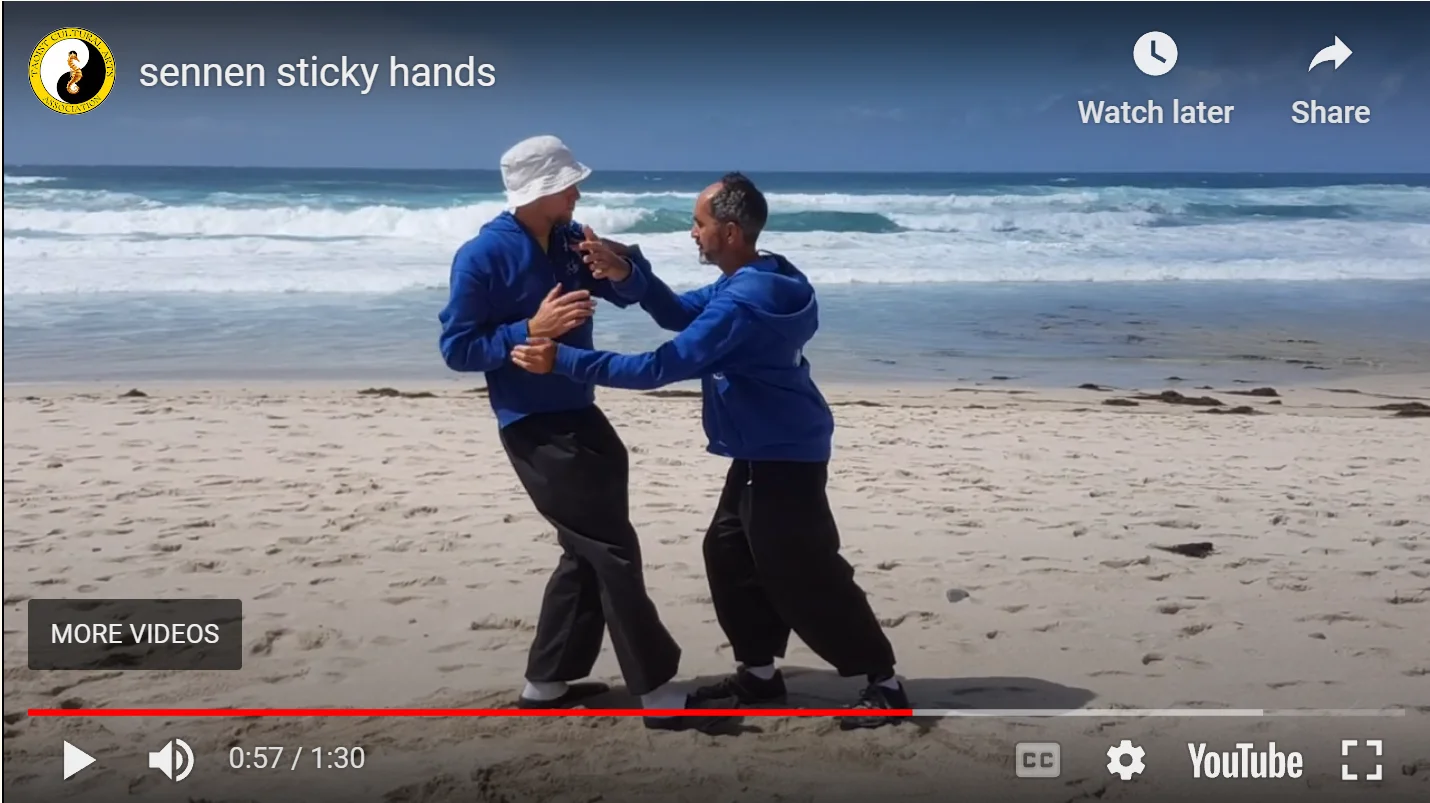
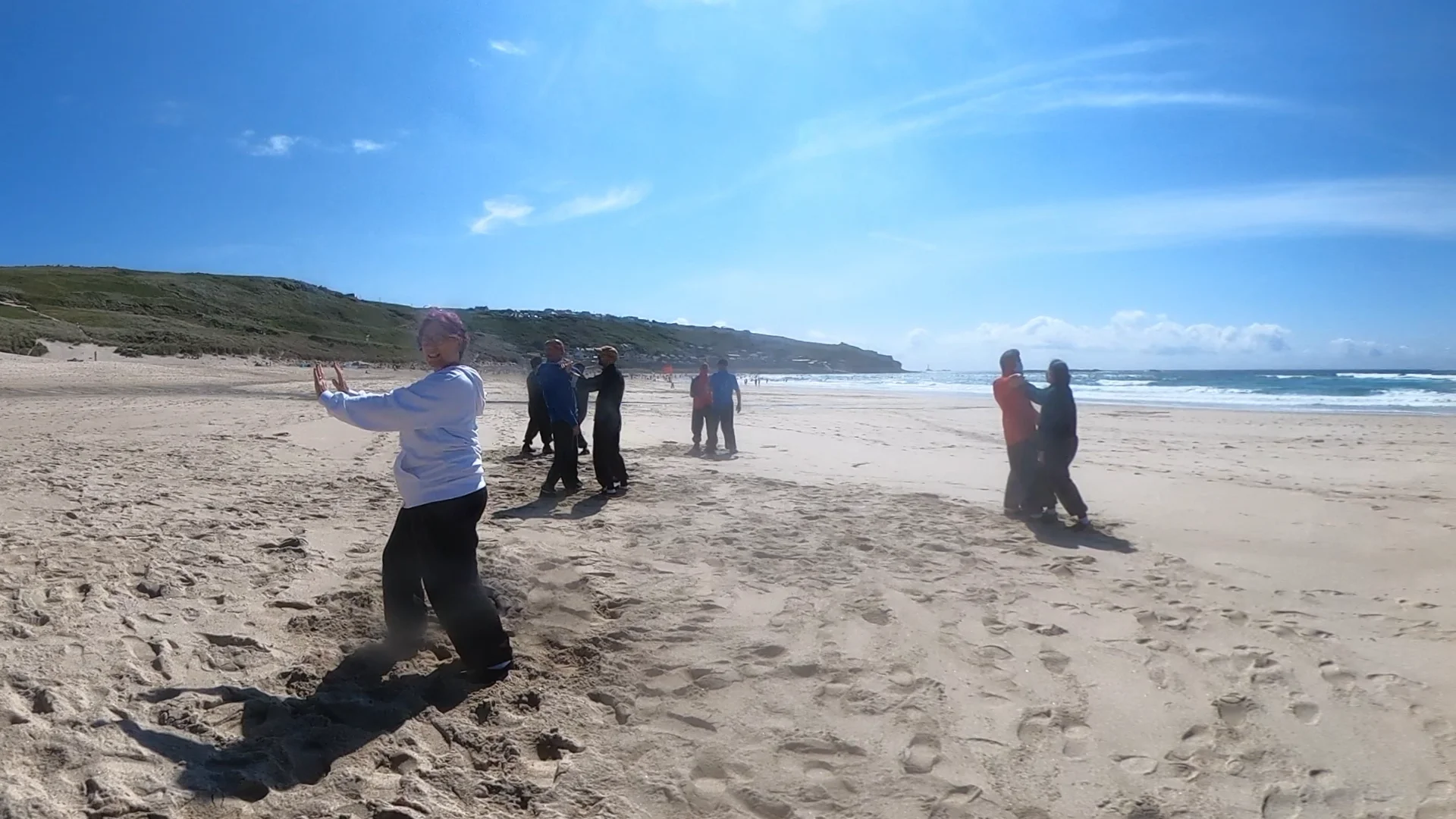
Sticky hands with Richard and Martin at the Summer Course in Cornwall
Tai Chi is a practice that is steeped in Taoist philosophy. The practice involves slow, flowing movements that aim to cultivate internal energy, or qi, and develop a sense of harmony with the universe. One of the most important aspects of Tai Chi is Sticky Hands, also known as Yifu Shou (依附手). In this post, we will explore the techniques involved, how they fit in with Taoist philosophy, and how they exemplify the principle of wuwei.
Understanding the Techniques
Sticky Hands is a two-person exercise that is designed to develop sensitivity to your partner’s movements and respond to them with fluidity and grace. The exercise involves various techniques, including sticking, adhering, listening, and neutralizing. These techniques are essential for mastering the art of sticky hands and becoming a skilled Tai Chi practitioner.
Sticking
The first technique in sticky hands is unsurprisingly sticking. This involves maintaining contact with your partner’s hands and arms while they move. The goal of sticking is to develop sensitivity to your partner’s energy and movements. By sticking to your partner’s hands, you can sense their movements and respond to them accordingly.
Adhering
The second technique is adhering. This involves following your partner’s movements while maintaining contact with their hands. Adhering helps you to stay grounded and maintain your balance while responding to your partner’s energy.
Listening
The third technique is listening. This involves paying attention to your partner’s movements and responding to them accordingly. Listening helps you to stay present and focused on your partner’s energy and movements.
Neutralizing
The fourth technique is neutralizing. This involves using your partner’s energy to your advantage. By neutralizing your partner’s movements, you can gain the upper hand and respond to their movements with fluidity and grace.
How Sticky Hands Fits in with Taoist Philosophy
Taoist philosophy emphasizes the importance of harmony, balance, and naturalness. These principles are reflected in the practice of Tai Chi and Sticky Hands. Sticky Hands teaches you how to respond to your partner’s movements with fluidity and grace, which reflects the principle of naturalness in Taoist philosophy. By following your partner’s movements and using their energy to your advantage, you can achieve a sense of balance and harmony in your practice.
The Principle of Wuwei in Sticky Hands
Wuwei is a fundamental principle in Taoist philosophy that emphasizes the importance of non-action. It does not mean inaction but means acting effortlessly, without forcing or struggling. In Sticky Hands, the principle of wuwei is reflected in the practice of neutralizing. Neutralizing involves using your partner’s energy to your advantage without using force or struggling. By acting effortlessly, you can achieve a sense of harmony and balance in your practice.
The principle of Softness in Sticky Hands
Remember that softness in Tai Chi has a special meaning that is different from the conventional linguistic understanding of softness, it means using the partner’s energy to achieve your objective of uprooting their balance using their movements instead of your own.
Softness is a core principle in Tai Chi that is often misunderstood as simply being gentle or yielding. In Tai Chi, softness refers to the ability to remain relaxed and pliable while maintaining a sense of stability and centeredness. It is a physical, mental, and emotional state that allows you to move with fluidity and grace, responding to your environment and partners with minimal effort.
In Sticky Hands, the practice of softness is crucial because it enables you to work with a partner and learn how to respond to their movements with ease and efficiency. The principle of softness in Sticky Hands is closely related to the concept of Wu Wei, which translates as “effortless action” or “action without action.” Wu Wei is an important concept in Taoist philosophy and refers to the idea of acting in a way that is aligned with the natural flow of the universe, without imposing your will or forcing outcomes.
Softness in Sticky Hands involves using your partner’s energy and movements to achieve your objective of uprooting their balance, instead of relying solely on your own strength and force. By remaining soft and pliable, you can sense your partner’s movements more accurately and respond to them with minimal effort. Softness allows you to adapt to changing situations and adjust your movements in real time, which is essential in Sticky Hands when working with a partner.
The objective of Sticky Hands is to learn how to neutralize your partner’s force and redirect it with minimal effort. Softness is crucial in push hands because it allows you to sense your partner’s movements and redirect their energy without using excessive force.
In Sticky Hands, softness is not just a physical attribute but also a mental and emotional state. It requires a deep sense of relaxation, receptivity, and non-resistance to be able to respond to your partner’s movements with minimal effort. By developing a sense of softness in your Sticky Hands practice, you can improve your sensitivity, reflexes, and efficiency in your movements. Softness also allows you to work with your partner in a cooperative and non-confrontational way, which is aligned with the principle of Wu Wei in Taoist philosophy. The psychological effect of sticking to the partner tends to neutralize an aggressive force and make the partner withdraw their attack.
In conclusion, Sticky Hands is an essential aspect of Tai Chi that reflects the principles of Taoist philosophy. By practicing the techniques of sticking, adhering, listening, neutralizing, and softness you can develop sensitivity to your partner’s movements and respond to them with fluidity and grace. The practice of Sticky Hands exemplifies the principle of wuwei by emphasizing the importance of acting effortlessly and achieving a sense of harmony and balance in your practice. By incorporating Sticky Hands into your Tai Chi practice, you can enhance your skills, increase your mental focus, and achieve a greater sense of well-being.
Kai Men Qigong is a series of exercises in Lee style Tai Chi that emphasize the principles of Qi, the vital life force in Ancient Chinese medicine. In this blog post, we’ll explore what Qi is, how it’s related to Chinese medical principles, why qigong is popular as a health exercise, and how Kai Men Qigong specifically can benefit your health.
What is Qigong?
Qigong (pronounced “chee-gong”) is an ancient Chinese practice that focuses on cultivating the vital life force or Qi. It involves a series of exercises that are designed to enhance the flow of Qi through the body, promote relaxation, and improve overall health and well-being. Qigong exercises are often gentle and slow and can be performed by people of all ages and fitness levels.
What is Qi?
Qi is a fundamental concept in Chinese medicine that refers to the vital life force or energy that animates all living things. It is said to flow through channels or meridians in the body, nourishing the organs and tissues and keeping them healthy. According to Chinese medical principles such as the zangfu theory of internal organs and functions in ancient Chinese medicine, Qi is essential for maintaining health and preventing disease.
Why is Qigong Popular as a Health Exercise?
Qigong is popular as a health exercise because it can improve overall physical and mental well-being. Regular practice of qigong has been shown to reduce stress, improve balance, flexibility, and coordination, lower blood pressure, and strengthen the immune system. It can also be used as a complementary therapy for various medical conditions, including chronic pain, cancer, and cardiovascular disease.
How Does Qigong Work?
Qigong works by enhancing the flow of Qi through the body. This is achieved through a series of exercises that involve breathing techniques, movement, and visualization. Qigong exercises are designed to stimulate the flow of Qi through specific channels or meridians in the body, which can help to unblock any areas where the Qi is stagnant or deficient. This, in turn, can help to promote healing and overall wellbeing.
What is Kai Men?
Kai Men Qigong is a fundamental exercise in Lee-style Tai Chi that focuses on cultivating and enhancing the flow of Qi through the body. It is designed to help students develop sensitivity to Qi, improve relaxation, and promote overall health and well-being. Kai Men Qigong involves a series of exercises that are performed in a standing position and include breathing techniques, movement, and visualization.
The Benefits of Kai Men Qigong
Kai Men Qigong has many benefits for the body and mind. It can help to:
Enhance the flow of Qi through the body
Promote relaxation and reduce stress
Improve balance, coordination, and flexibility
Strengthen the immune system
Increase overall energy levels
Improve mental clarity and focus
In conclusion, Kai Men Qigong is a fundamental exercise in Lee-style Tai Chi that can benefit your overall health and well-being. Qigong as a practice can enhance the flow of Qi through the body, promote relaxation, and improve physical and mental health. It’s a popular exercise because it’s gentle and accessible to people of all ages and fitness levels. If you’re interested in learning more about qigong or trying out Kai Men for yourself, come and join our Lee-style Tai Chi class in Coventry.
Tai Chi on the beach, a proven antidote for stress
In recent years, Tai Chi has become an increasingly popular form of exercise worldwide, and for good reason. This ancient Chinese practice has been shown to have numerous health benefits, including stress reduction and relaxation. In this blog post, we will explore the science behind these benefits and provide references to peer-reviewed studies from reputable sources in China, around the world, and in the UK.
What is Tai Chi?
Tai Chi, also known as Tai Chi Chuan, is a traditional Chinese martial art that involves slow, fluid movements and deep breathing. It was originally developed as a form of self-defense, but over time, it has evolved into a form of exercise that is practiced for health and wellness purposes. Tai Chi is often described as a moving meditation, as it requires focus and concentration to perform the movements correctly.
Tai Chi for Stress Reduction and Relaxation
Stress is a common problem in today’s fast-paced world. It can lead to a variety of physical and mental health problems, including anxiety, depression, and cardiovascular disease. Tai Chi has been shown to be an effective way to reduce stress and promote relaxation, making it a valuable tool for maintaining overall health and wellbeing.
One study conducted in China found that practicing Tai Chi for just 12 weeks resulted in significant reductions in perceived stress and improvements in overall mood among participants 1. Another study conducted in the UK found that Tai Chi was effective in reducing both state and trait anxiety in a group of healthy adults 2.
The calming effects of Tai Chi may be due in part to its focus on deep breathing and relaxation techniques. When we are stressed, our breathing becomes shallow and rapid, which can increase feelings of anxiety and tension. By practicing deep breathing and relaxation techniques, Tai Chi can help to counteract these effects and promote a sense of calm and relaxation.
Tai Chi for Physical Health
In addition to its mental health benefits, Tai Chi has also been shown to have numerous physical health benefits. Some of these benefits include improved balance and coordination, increased flexibility and range of motion, and reduced pain and inflammation.
Balance and Coordination
Falls are a common problem among older adults, and they can lead to serious injuries such as hip fractures. Tai Chi has been shown to be an effective way to improve balance and reduce the risk of falls in older adults. One study conducted in China found that a 12-week Tai Chi program resulted in significant improvements in balance and reduced the risk of falls among participants 3.
Flexibility and Range of Motion
Tai Chi involves slow, fluid movements that require a wide range of motion. This can help to improve flexibility and range of motion, which is especially important for older adults who may be at risk for mobility problems. One study conducted in the UK found that a 12-week Tai Chi program resulted in significant improvements in flexibility and range of motion among older adults 4
Pain and Inflammation
Tai Chi has been shown to be effective in reducing pain and inflammation in a variety of conditions, including osteoarthritis, fibromyalgia, and chronic low back pain. One study conducted in the US found that a 12-week Tai Chi program resulted in significant reductions in pain and stiffness among participants with knee osteoarthritis 5. Another study conducted in Australia found that a 10-week Tai Chi program resulted in significant reductions in pain and improved physical function among participants with fibromyalgia 6.
Conclusion
In conclusion, Tai Chi is a valuable tool for promoting both physical and mental health. Its slow, fluid movements and deep breathing techniques make it an effective way to reduce stress and promote relaxation. Additionally, Tai Chi has been shown to improve balance and coordination, increase flexibility and range of motion, and reduce pain and inflammation in a variety of conditions. If you are looking for a low-impact exercise that is beneficial for both your physical and mental health, Tai Chi may be a great option for you.
It’s important to note that while Tai Chi is generally considered safe for most people, it’s always a good idea to check with your doctor before starting a new exercise program, especially if you have any pre-existing health conditions or concerns.
References:
Wang F, Man JK, Lee EK, Wu T, Benson H, Fricchione GL, et al. The effects of tai chi on depression, anxiety, and psychological well-being: A systematic review and meta-analysis. Int J Behav Med. 2019;26(5):484-503.
Ng BMY, Tsang HWH, Jones AYM, So CT, Mok TYW. Functional and psychosocial effects of health qigong in patients with COPD: a randomized controlled trial. J Altern Complement Med. 2011;17(3):243-51.
Li JX, Hong Y, Chan KM. Tai chi: physiological characteristics and beneficial effects on health. Br J Sports Med. 2001;35(3):148-56.
Li F, Fisher KJ, Harmer P, Irbe D, Tearse RG, Weimer C. Tai chi and self-rated quality of sleep and daytime sleepiness in older adults: a randomized controlled trial. J Am Geriatr Soc. 2004;52(6):892-900.
Song R, Roberts BL, Lee EO, Lam P, Bae SC. A randomized study of the effects of t’ai chi on muscle strength, bone mineral density, and fear of falling in women with osteoarthritis. J Altern Complement Med. 2010;16(2):227-33.
Wang C, Schmid CH, Rones R, Kalish R, Yinh J, Goldenberg DL, et al. A randomized trial of tai chi for fibromyalgia. N Engl J Med. 2010;363(8):743-54.
Tai Chi is a form of exercise that has been practiced for centuries. It originated in China as a martial art and is now widely practiced around the world for its health benefits. One of the key elements of Tai Chi is the concept of Qi, which is often translated as energy. In this blog post, we will explore the role of Qi in Tai Chi practice and how it can help you improve your physical, mental, and emotional health.
What is Qi?
Qi is a fundamental concept in Chinese culture and traditional medicine. It is often translated as “life force” or “vital energy,” and is believed to be the essence of all living things. According to traditional Chinese medicine, Qi flows through the body along specific pathways known as meridians. When Qi is flowing freely, a person is healthy and balanced. When Qi is blocked or deficient, illness and disease can occur.
In Tai Chi, Qi is often described as the energy that powers the movements of the body. It is said to flow through the body in a smooth and continuous manner, creating a sense of internal harmony and balance. The goal of Tai Chi practice is to cultivate and harmonize Qi, allowing it to flow freely throughout the body.
The Three Treasures: Jing, Qi, and Shen
In traditional Chinese medicine, Qi is one of three fundamental substances known as the Three Treasures. The other two treasures are Jing and Shen. Jing is the essence of the body, including the bones, marrow, and reproductive fluids. Shen is the spirit or consciousness, including emotions, thoughts, and perceptions.
The three treasures are intimately connected, and each one affects the others. For example, when Jing is strong and healthy, it can support the cultivation of Qi and Shen. When Qi is flowing freely, it can nourish Jing and support the health of the body. When Shen is calm and peaceful, it can help to harmonize Qi and Jing.
In Tai Chi, the cultivation of Qi is seen as a way to harmonize and balance all three treasures, leading to improved health and well-being.
Cultivating Qi in Tai Chi Practice
There are many ways to cultivate Qi in Tai Chi practice. Here are some key principles to keep in mind:
Relaxation: Tai Chi movements should be performed in a relaxed and fluid manner. Tension in the body can block the flow of Qi, so it is important to let go of any unnecessary tension.
Breath Control: The breath is closely connected to Qi. In Tai Chi, the breath should be slow, deep, and relaxed, with an emphasis on exhaling fully to release stale air and toxins from the body.
Concentration: Tai Chi is often described as a moving meditation. It is important to focus the mind on the movements and sensations of the body, allowing distractions to fade away.
Visualization: Many Tai Chi practitioners use visualization techniques to help cultivate Qi. For example, imagining a ball of light moving through the body along the meridians can help to enhance the flow of Qi.
Benefits of Cultivating Qi in Tai Chi Practice
Cultivating Qi in Tai Chi practice can have many benefits for your physical, mental, and emotional health. Here are just a few examples:
Improved Energy: When Qi is flowing freely, it can increase energy levels and reduce fatigue.
Reduced Stress: Tai Chi practice has been shown to reduce stress and anxiety, which can be beneficial for overall health and well-being.
Improved Balance: Tai Chi movements are slow and deliberate, which can improve balance and reduce the risk of falls, especially in older adults.
Enhanced Immune Function: Cultivating Qi can boost the immune system, helping to prevent illness and disease.
In conclusion, the cultivation of Qi is an essential element of Tai Chi practice. Cultivating Qi can improve physical, mental, and emotional health, and is a key factor in the overall benefits of Tai Chi. By incorporating principles such as relaxation, breath control, mindfulness, and visualization into your Tai Chi practice, you can enhance the flow of Qi throughout your body and reap the many benefits that come with it.
If you’re interested in learning more about Tai Chi and how to cultivate Qi, consider joining a Tai Chi class. A skilled instructor can guide you through the movements and help you develop a deeper understanding of the role of Qi in Tai Chi practice. With regular practice and dedication, you can unlock the power of Qi and experience the many benefits that Tai Chi has to offer.
Tai Chi is a martial art and exercise form that originated in ancient China that has become increasingly popular worldwide due to its numerous health benefits. It involves slow and gentle movements that promote the cultivation and circulation of Qi, the vital energy that flows within the body. This blog post will explore the practice of Tai Chi, its benefits, and its philosophy, focusing on the principles of ancient Chinese medicine and Taoist philosophy.
What is Tai Chi?
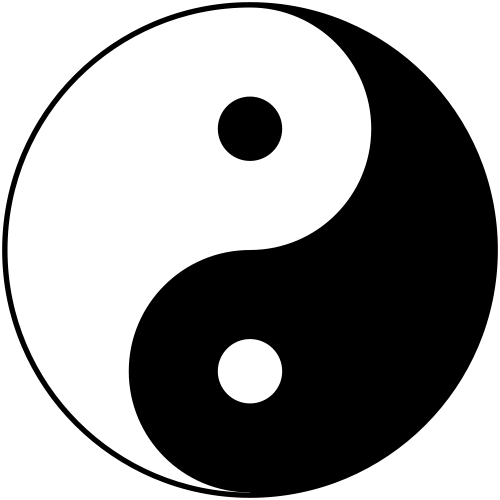
Tai Chi is a practice that emphasizes the integration of mind, body, and spirit. Its slow and gentle movements, performed in a continuous and fluid manner, stimulate the circulation of Qi, which nourishes the internal organs and promotes health and wellbeing. Tai Chi is based on the principles of Yin and Yang, which represent the complementary forces of the universe.
How does Tai Chi work?
Tai Chi works by regulating the flow of Qi and blood in the body. The slow and gentle movements stimulate the circulation of Qi and blood, which nourish the internal organs and promote health and well-being. Tai Chi also strengthens the muscles, tendons, and bones, improves posture and balance, and enhances flexibility and range of motion.
What are the benefits of learning Tai Chi?
Tai Chi has numerous health benefits, including reducing stress and anxiety, improving cardiovascular health, reducing chronic pain, and improving immune function. Tai Chi can also enhance mental clarity, emotional stability, and overall quality of life. Regular practice of Tai Chi can lead to a healthier and happier life.
Taoist Philosophy and Tai Chi
Tai Chi is deeply rooted in Taoist philosophy, which emphasizes the importance of balance, harmony, and naturalness. The concept of Wu Wei, or effortless action, is central to Tai Chi practice. By practicing Tai Chi, individuals learn to move with naturalness and ease, and to respond to their environment with fluidity and adaptability.
Qi in Tai Chi
In Tai Chi, Qi refers to the vital energy that flows within the body. Qi is considered the foundation of health and vitality in ancient Chinese medicine. Tai Chi promotes the cultivation and circulation of Qi through slow and gentle movements, leading to improved health and wellbeing.
Internal Arts of China
Tai Chi is considered an internal art because its practice emphasizes the cultivation of Qi and the integration of mind, body, and spirit. The internal arts of China are practices that focus on the cultivation of Qi, such as Tai Chi, Qigong, and Bagua. These practices promote health, vitality, and harmony within the body and mind.
In conclusion, Tai Chi is a holistic practice that promotes health and wellbeing through the cultivation and circulation of Qi. Its principles are deeply rooted in Taoist philosophy and the ancient Chinese medical tradition. By practicing Tai Chi, individuals can improve their physical, mental, and emotional health, leading to a happier and healthier life. If you are interested in learning Tai Chi, come and join us at the Coventry class.
The quote from Macbeth, may seem like an unlikely place to start when discussing Tai Chi and Taoist alchemy. However, as we dive deeper into the ancient Chinese practice, we can begin to see the connections between the elements of fire and water, balance and harmony, and the pursuit of physical and spiritual health.
Tai Chi is a form of martial art that has its roots in Taoism, a Chinese philosophical and religious tradition that emphasizes living in harmony with nature and the flow of the universe. Taoist alchemy, on the other hand, is a set of practices that seeks to cultivate and refine the internal energy, or qi, within the body in order to achieve greater spiritual awareness and harmony with the universe.
Balancing Yin and Yang
One of the key principles of Tai Chi is the concept of yin and yang, which represents the balance between opposing forces in the universe. Yin represents the feminine, passive, and receptive energy, while yang represents the masculine, active, and expansive energy. In Tai Chi, practitioners seek to achieve a balance between these two opposing forces by performing a moving meditation that promotes relaxation, awareness, and inner focus.
Cultivating and refining Qi
Taoist alchemy takes this concept even further by emphasizing the cultivation and refinement of internal energy, or qi, through a variety of practices such as meditation, breathing exercises, and physical movements. The goal of these practices is to achieve a state of inner harmony and balance, which can lead to greater physical and spiritual health.
So how does Tai Chi relate to Taoist alchemy? Both practices emphasize the cultivation of internal energy and the pursuit of balance and harmony within the body and mind. Tai Chi movements are designed to promote the flow of qi throughout the body, while Taoist alchemy seeks to refine and cultivate this energy for spiritual purposes.
Transformation
In order to understand the connection between Tai Chi and Taoist alchemy, it’s important to first understand the principles of alchemy itself. Alchemy is the ancient practice of transforming base metals into gold, but it also has a more esoteric meaning in that it refers to the transformation of the self from an unenlightened state to a state of spiritual awareness and enlightenment.
Taoist alchemy takes this concept of self-transformation and applies it to the cultivation and refinement of internal energy. By practicing meditation, breathing exercises, and physical movements such as Tai Chi, practitioners can refine their internal energy and achieve a state of inner harmony and balance.
The goal of Tai Chi is not only to promote physical health but also to cultivate a sense of inner peace and calm. By performing slow, deliberate movements, practitioners can achieve a state of increased awareness and inner focus that promotes relaxation and stress reduction. This in turn can lead to greater physical health by reducing the risk of chronic illnesses such as heart disease, high blood pressure, and diabetes.
In Taoist alchemy, the cultivation of internal energy is seen as a means to achieve greater spiritual awareness and harmony with the universe. By refining the internal energy, practitioners can achieve a state of balance and harmony that allows them to connect with the universal flow of energy and achieve a greater sense of purpose and meaning in life.
Tai Chi and Taoist alchemy are both practices that emphasize the pursuit of balance and harmony within the body and mind. While Tai Chi focuses on the physical aspects of this balance, Taoist alchemy seeks to refine and cultivate the internal energy that promotes this balance.
One of the key elements of Taoist alchemy is the concept of the Three Treasures: jing, qi, and shen. Jing refers to the physical essence of the body, qi refers to the internal energy, and shen refers to the spiritual essence. By cultivating and refining these three treasures, practitioners can achieve a state of inner harmony.
Alchemical metaphors
Just like Ancient Chinese Medicine which was developed over many thousands of years and had different schools in different regions of China, Taoist alchemy also draws on different traditions. Just as in the West, Taoist alchemy has used different metaphors to explain the alchemical process depending on the different schools we might look at. While this might seem confusing at first, it is still useful to look at these images and we can glean an overview of the process. Remember alchemical metaphors are not meant to be taken literally and were often used to draw a veil over the actual methods to obfuscate the process to the uninitiated. Think of Yin and Yang and how they may seem contradictory forces if seen from a purely logical perspective, but in actual fact, they are complimentary opposites that work together to form different perspectives into a unified whole. Remember Laozi’s warning:
The Tao that can be spoken is not the true Tao.
Laozi – Daodejing
This can be seen as a paradox but is in fact a self-referential statement. In the first edition of the Tao Teh Ching we have access to, dated to 300 BC, and found in a tomb at Guodian near Jingmen, this admonition did not appear which suggests it might have been added by later commentators as a kind of precursor or editor’s note.
The Water Wheel
The first stage of Taoist alchemy is sometimes called the “Water Wheel” stage or “precelestial” stage. It is so named because it involves the cultivation and transformation of qi within the body’s Yin or water-based systems.
During this stage, practitioners focus on refining and purifying their physical and energetic bodies through various practices such as meditation, breathwork, and physical exercises like Tai Chi. The goal is to create a strong foundation for the later stages of alchemical practice by building a healthy, balanced body and mind.
In Taoist alchemy, the body is viewed as a microcosm of the universe, and the first stage involves connecting with the primordial energy that exists within us and in the natural world. Through various practices, practitioners seek to cultivate and refine this energy, known as qi, so that it can be used for healing and spiritual development.
Some of the specific practices used in the Water Wheel stage include:
Breathwork: Controlled breathing is a fundamental practice in Taoist alchemy, as it helps to regulate the flow of qi in the body. Techniques such as “reverse abdominal breathing” are used to draw energy up from the lower dantian (an energy center located in the lower abdomen) and circulate it throughout the body.
Meditation: Tai Chi is a type of Taoist moving meditation that involves quieting the mind and focusing the attention to cultivate awareness of one’s internal energy. It includes practices such as “the microcosmic orbit” which are used to circulate energy through the meridian channels in the body, creating a sense of deep relaxation and peace.
Physical exercises: In Tai Chi, physical practices are used to help move and balance the body’s energy, improve circulation, and promote overall health and vitality.
Overall, the Water Wheel stage of Taoist alchemy is about laying a strong foundation for the later stages of practice by cultivating and refining the body’s energy systems. By doing so, practitioners can open the door to deeper levels of spiritual awareness and transformation.
Washing the Marrow
The second stage of the Taoist alchemical process is called “Washing the Marrow,” which involves refining the essence of one’s being. This stage is all about cultivating the vital energy known as qi (pronounced “chee”) and transforming it into shen, or spiritual energy.
The term “marrow” here refers to the essence or vital energy (jing) that is stored in the bones and is considered an important component of the body’s energy system. During the “washing the marrow” stage, the practitioner focuses on refining and purifying the jing energy in the bones. This process is said to have a profound effect on one’s physical, emotional, and spiritual health, helping to increase energy levels, improve mental clarity, and promote a sense of inner peace and balance.
In Tai Chi, this process is achieved through the practice of movements that are designed to stimulate the flow of qi throughout the body, as well as through breathing exercises and meditation. By combining these practices with a focus on awareness and intention, practitioners are able to tap into the deeper levels of their being and access the transformative power of Taoist alchemy.
The Source
The final stage of the Taoist alchemical process is known as “Returning to the Source.” This stage involves merging with the Tao and becoming one with the universe. This is the ultimate goal of the Taoist alchemist, and it is said to bring about a state of enlightenment and spiritual liberation.
While this may seem like a lofty goal, it is important to remember that the journey is just as important as the destination. Through the practice of Tai Chi and Taoist alchemy, we can cultivate a greater sense of awareness and connection with the world around us, and we can learn to live in harmony with the natural rhythms of life.
In conclusion, Tai Chi and Taoist alchemy are two practices that are deeply interconnected, each informing and enriching the other. By practicing Tai Chi with an awareness of Taoist alchemical principles, we can cultivate a deeper understanding of ourselves and the world around us, and we can tap into the transformative power of the Tao. Whether you are new to Tai Chi or a seasoned practitioner, I encourage you to explore the rich history and philosophy behind this ancient art form, and to discover for yourself the many benefits of this powerful practice.
Neidan
Neidan is a form of Taoist inner alchemy that involves a series of alchemical stages, each of which represents a step toward greater spiritual transformation.
The first stage is known as the “water and fire” stage, where the practitioner seeks to balance and harmonize opposing energies within the body and mind.
In some lineages, the “blackening” stage is seen as a precursor to the “water and fire” stage, in which the practitioner works to dissolve and release negative or impure energies within the body and mind. This stage may involve practices such as fasting, purification, or meditation on the impermanence of all things.
In other lineages, the blackening stage is seen as a stage of the “white” stage, where the practitioner focuses on refining and purifying their internal energies. This stage may involve practices such as deep meditation or visualization of the color black.
The second stage is the “white” stage, where the practitioner seeks to refine and purify their internal energies through practices such as meditation and visualization.
The third stage is the “yellowing” stage, where the practitioner focuses on cultivating and maturing their essence (jing) and refining their qi.
The final stage is the “golden elixir” stage, where the practitioner achieves a state of spiritual enlightenment and immortality through the integration of their qi, essence, and spirit.
Overall, neidan is a complex and multifaceted practice that involves physical, mental, and spiritual cultivation. Through dedicated practice and cultivation, practitioners aim to achieve a state of inner purity and transcendence, leading to greater spiritual insight and realization.
1. Fire and Water
The first stage of Taoist alchemy is sometimes referred to as “the purifying of the mind” or the “water and fire” stage. This stage is focused on refining and purifying the practitioner’s mind and emotions, which are seen as the foundation for inner alchemy.
In this stage, the practitioner works to cultivate a state of mental and emotional stability through practices such as meditation, visualization, and breathwork. By calming and centering the mind, the practitioner is able to develop greater awareness and control over their thoughts and emotions, which are seen as the building blocks for the subsequent stages of inner alchemy.
The “water and fire” aspect of this stage refers to the process of balancing and harmonizing opposing energies within the body and mind. Water represents the feminine, receptive, and yin energy, while fire represents the masculine, active, and yang energy. Through practices such as visualization and breathwork, the practitioner works to balance these opposing energies, allowing them to flow smoothly and harmoniously.
Overall, the first stage of Taoist alchemy is focused on cultivating a strong foundation of mental and emotional stability, which is essential for the subsequent stages of inner alchemy. By purifying the mind and harmonizing opposing energies, the practitioner is able to develop greater awareness and control over their inner world, leading to spiritual growth and transformation.
The Blackening
The blackening stage can be seen as a transitional stage in the process of Taoist alchemy, in which the practitioner works to release and transform negative energies in preparation for the subsequent stages of inner cultivation and transformation. However, its specific placement and significance may vary depending on the particular lineage or tradition of Taoist alchemy being practiced.
In many ways, the blackening stage is reminiscent of the “dark night of the soul” that is often described in literature and mythology. It is a time of great turmoil and chaos, as the alchemist begins to see the parts of themselves that they have long suppressed or ignored.
This stage is often characterized by intense emotions and experiences, such as fear, anxiety, and depression. It can be a painful process, but it is necessary for the alchemist to confront and overcome their own darkness in order to progress to the later stages of the alchemical process.
In the hero’s journey, the blackening stage is often represented by the “belly of the whale” or “the abyss.” This is the point in the journey where the hero is brought to their lowest point, facing seemingly insurmountable obstacles and challenges.
For example, in Shakespeare’s Macbeth, the blackening stage is represented by Macbeth’s descent into madness and paranoia after he murders King Duncan. He is tormented by guilt and haunted by the ghosts of his victims, ultimately leading to his downfall.
Similarly, in Star Wars, Luke Skywalker faces his own blackening stage when he confronts Darth Vader and learns that he is his father. This revelation sends Luke into a state of turmoil and doubt, as he struggles to come to terms with the truth about his own identity.
Despite the pain and turmoil of the blackening stage, it is ultimately a necessary step in the journey toward enlightenment and transformation. By facing their inner demons and confronting their own darkness, the alchemist and the hero are able to emerge stronger and more enlightened than before.
In Taoist alchemy, the blackening stage is also seen as a time of transformation, as the alchemist begins to transmute their own darkness into light. This is represented by the third stage of the alchemical process, known as “the whitening,”
2. The Whitening
The next stage in Taoist alchemy is called “whitening,” which is also known as the stage of purification. In this stage, the focus is on refining and purifying the body, mind, and spirit, preparing them for the next stage of transformation.
During this stage, the practitioner continues to refine their breathing, movement, and meditation practices, while also incorporating more advanced techniques. These techniques may include more complex breathing exercises, visualization techniques, and various forms of internal alchemy.
One of the primary goals of the whitening stage is to refine the practitioner’s energy or “Qi” (pronounced “chee”), which is believed to be a vital life force that flows through the body. This energy is often compared to electricity and can be harnessed and directed to achieve various physical, mental, and spiritual states.
As the practitioner progresses through this stage, they may experience a sense of calmness, inner peace, and heightened awareness. They may also begin to develop a deeper understanding of the interconnectedness of all things and the role that they play in the greater universe.
Overall, the whitening stage is a period of intense inner purification and transformation, in which the practitioner works to purify their mind, body, and spirit, and to cultivate a greater sense of awareness and understanding of the world around them. Through this process, they begin to develop the foundation for the next stage of alchemical transformation, known as the “yellowing” stage.
3. The Yellowing
The yellowing stage is the third stage in the neidan process, following the “water and fire” stage and the “white” stage. During the yellowing stage, the practitioner focuses on refining their qi and cultivating their essence, or jing. This stage is associated with the earth element and the color yellow, which is said to symbolize the maturation and ripening of the practitioner’s inner energies.
According to Taoist alchemical theory, the yellowing stage is a crucial stage in the process of spiritual transformation. It is believed that during this stage, the practitioner’s qi becomes more refined and their awareness becomes clearer, leading to greater insight and wisdom. The ultimate goal of neidan is to reach the “golden elixir” stage, in which the practitioner achieves a state of spiritual purity and immortality.
4. The Golden Elixir
The “golden elixir” stage is the final stage in the process of inner alchemy in Taoist alchemy. It is considered to be the culmination of the alchemical process, in which the practitioner achieves a state of spiritual enlightenment and immortality.
During the golden elixir stage, the practitioner’s qi, essence (jing), and spirit (shen) become fully integrated, leading to the attainment of the “immortal body” or “diamond body.” The practitioner is said to have achieved a state of complete spiritual purity and liberation, and to have transcended the cycle of birth and death.
In order to reach the golden elixir stage, the practitioner must have gone through a series of alchemical stages, which include the “water and fire” stage, the “white” stage, and the “yellowing” stage. Each of these stages involves specific practices and techniques aimed at refining and purifying the practitioner’s inner energies.
It is important to note that the golden elixir stage is a metaphorical concept that is not meant to be taken literally. Rather, it represents a state of spiritual realization and transcendence that can be attained through dedicated practice and cultivation of the inner self.
“The Tao of Tai Chi Chuan: Way to Rejuvenation” by Master Jou Tsung Hwa, published by Tuttle Publishing in 2010, ISBN-10: 0804841209 https://www.amazon.co.uk/dp/0804841209