As April unfolds and daylight extends its reach, the natural awakening of the season can profoundly enhance the practice of T’ai Chi:
Alignment with Nature: The lengthening days resonate with the essence of T’ai Chi, harmonizing practitioners with the rhythm of the natural world. This alignment fosters a deeper connection to the environment, amplifying the benefits of T’ai Chi as it becomes a seamless expression of the unfolding spring.
Renewed Vitality: Just as nature stirs from its winter slumber, practitioners too experience a revitalization of body and mind. The increasing sunlight infuses energy into T’ai Chi practice, invigorating movements and deepening the sense of inner balance and harmony.
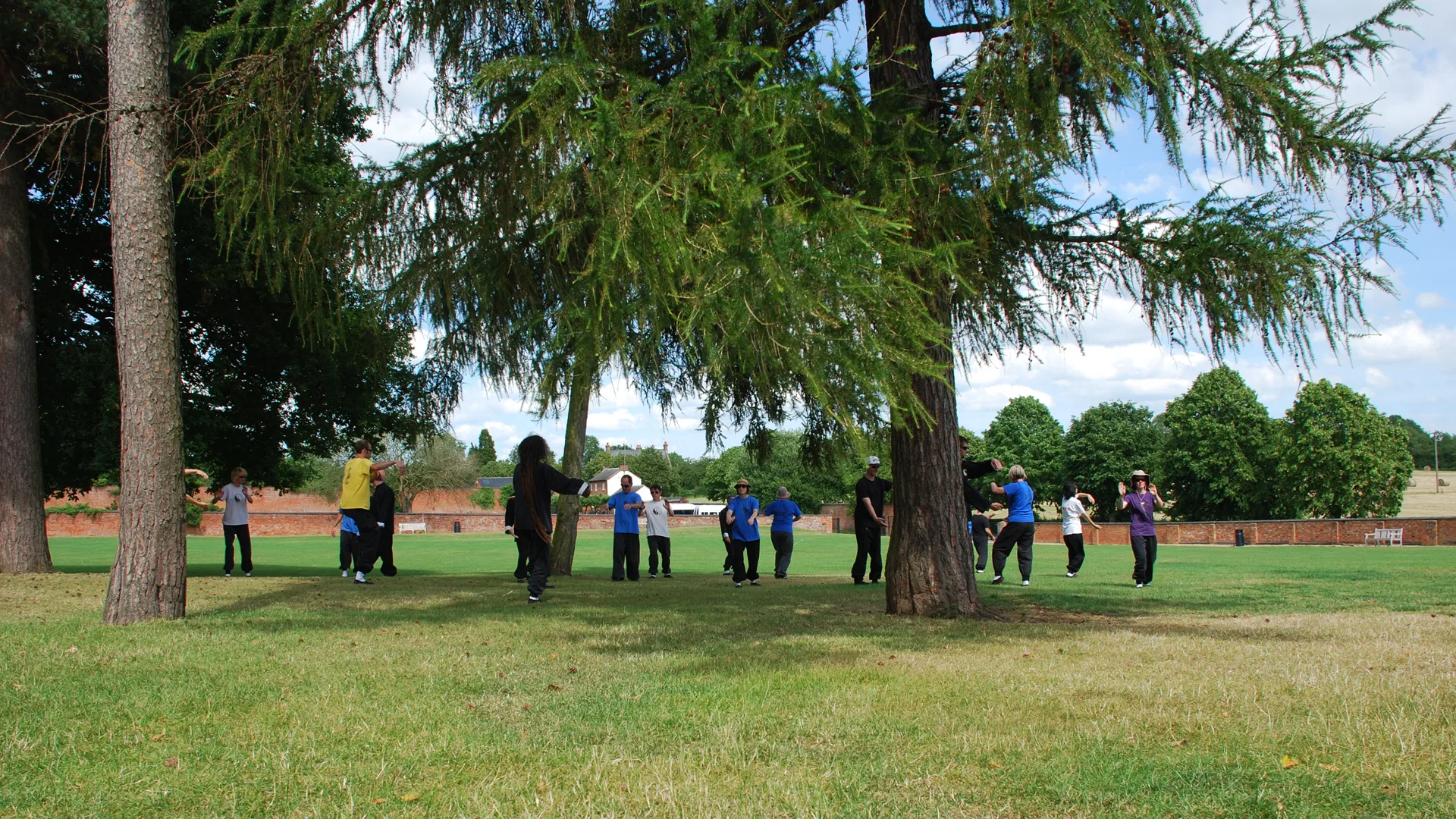
Enlivened Outdoor Practice: With the warming embrace of spring, outdoor T’ai Chi sessions become a vibrant communion with the elements. Beneath the extended daylight, practitioners find solace in the gentle breeze, the burgeoning flora, and the radiant sun, enhancing the transformative power of their practice.
Flowing with the Season: As April unfolds, the natural awakening inspires a renewed commitment to T’ai Chi, mirroring the blossoming of life all around. Practitioners find themselves effortlessly flowing through their movements, attuned to the rhythm of growth and renewal that permeates the season.
In essence, the lengthening days of April serve as a catalyst for a profound natural awakening, enriching the practice of T’ai Chi with vitality, harmony, and a deep sense of connection to the ever-changing world around us.
Delving into Yin: An In-depth Exploration of Chinese Medicine and the Elegance of Tai Chi
China’s legacy in the spheres of philosophy and holistic medicine is a treasure trove of wisdom that has been honed and refined over centuries. Central to this legacy is the concept of yin, a fundamental principle that embodies calmness, introspection, and equilibrium. As holistic wellness becomes increasingly prominent in global dialogues, the significance of yin and its interplay with Tai Chi emerges as a topic of profound importance. Embark with us on this immersive journey into yin, unraveling its nuances and illuminating its pivotal role in Tai Chi.
Yin: The Essence of Chinese Philosophy and Healing Practices
From ancient scriptures to modern therapeutic modalities, China’s intellectual and medicinal traditions have consistently celebrated the doctrine of yin and yang. Yin, with its serene and introspective characteristics, contrasts beautifully with yang’s vitality and dynamism. These dualities permeate every facet of existence, creating a harmonious balance that underscores the universe’s very fabric.
Chinese Medicine and the Integral Role of Yin
Traditional Chinese Medicine (TCM) espouses a holistic view of health, asserting that true wellness arises when body, mind, and spirit are in harmony. Yin and yang are integral components of this intricate mosaic.
The Balancing Act of Yin and Yang in Health
Within the TCM framework, an individual’s well-being is intrinsically linked to the harmony of yin and yang energies. When synchronized, they foster optimal health. However, a disruption in this equilibrium can manifest as illness or discomfort. TCM practitioners employ diverse modalities, from acupuncture to herbal formulations, aiming to restore this balance and facilitate the uninhibited flow of life force, often referred to as “Qi”.
Yin: The Silent Sustainer in Our Physiological Framework
While yang often garners attention due to its palpable energy, yin operates in the background, nurturing and sustaining. It acts as the quiet force ensuring our bodily tissues remain healthy and vital. Beyond mere nutrition or hydration, yin represents the body’s inherent capability to maintain its structures, ensuring that it operates with harmony and resilience.
The Dance of Yin in Tai Chi
Tai Chi, described as the poetry of motion, seamlessly integrates yin and yang principles in every gesture and stance. The discipline’s graceful movements mirror yin’s tranquil and receptive nature. As practitioners weave through sequences, they channel yin energy, making their dance appear effortlessly fluid and harmonious.
The Interplay of Yin and Yang in Tai Chi Mastery
While our focus remains on yin, Tai Chi exemplifies how yin and yang coexist in perfect unity. Each motion, breath, and intent harmonizes these energies, culminating in a dance of equilibrium. This unity magnifies the profound therapeutic and spiritual benefits of Tai Chi.
Yin: A Timeless Beacon in a Fast-paced World
In our rapidly evolving world, yin offers a refreshing, grounding perspective on well-being, balance, and introspection. Whether you’re exploring Chinese Medicine or immersing yourself in Tai Chi, embracing yin paves the path for deepened self-awareness and tranquility.
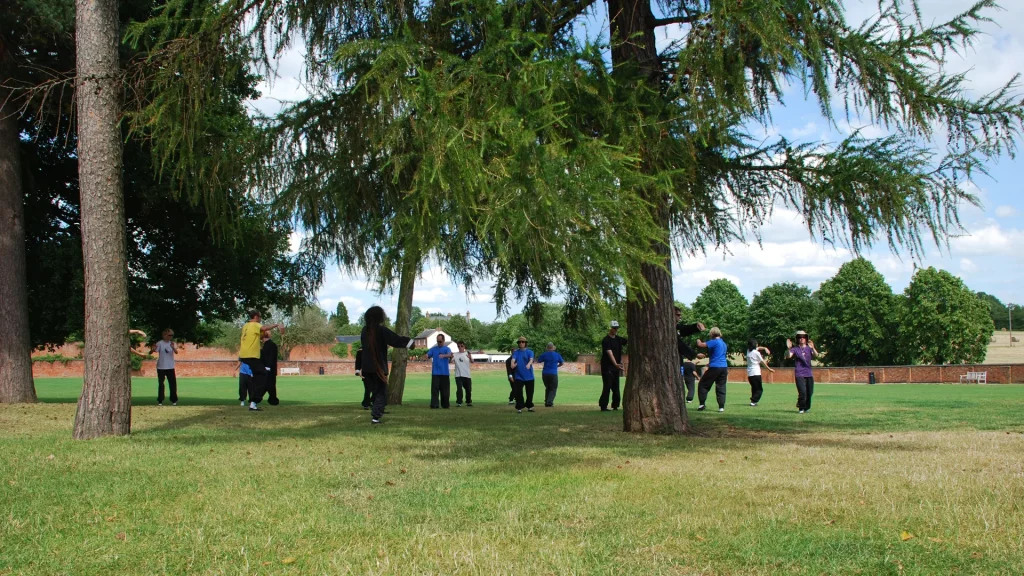
Practicing Lee style T’ai Chi, as taught by Chee Soo, in the open air on the summer solstice can offer several benefits:
Connection with Nature: Being outdoors allows you to connect with nature and the elements. The summer solstice is a time when the sun is at its peak, and the energy of the season is vibrant. Practicing T’ai Chi in this setting can help you feel more attuned to the natural world, enhancing your overall experience.
Increased Energy and Vitality: The abundant sunlight and fresh air can invigorate your body and mind. T’ai Chi itself promotes the flow of energy, known as qi, through the body’s meridians. When combined with the revitalizing energy of the summer solstice, practicing T’ai Chi outside can enhance your vitality and leave you feeling more energized.
Enhanced Relaxation and Stress Reduction: The open air and natural surroundings create a peaceful and serene atmosphere, which can facilitate relaxation and stress reduction. T’ai Chi is known for its gentle, flowing movements and focus on deep breathing, which can help calm the mind and release tension. Practicing T’ai Chi outdoors on the summer solstice allows you to benefit from the tranquil environment, aiding in achieving a deeper sense of relaxation.
Sunlight and Vitamin D: Sunlight exposure during the summer solstice can provide you with a natural source of vitamin D, which is essential for bone health, immune function, and overall well-being. By practicing T’ai Chi outside, you can absorb sunlight and promote the synthesis of vitamin D in your body, supporting your overall health.
Alignment with Cosmic Energies: The summer solstice holds significance in various cultures and traditions worldwide. It marks the longest day of the year and symbolizes the peak of light and energy. By practicing T’ai Chi on this special day, you can align yourself with the cosmic energies associated with the solstice, enhancing your practice and fostering a deeper connection with the universe.
Remember to take necessary precautions when practicing T’ai Chi outdoors, such as wearing appropriate clothing, staying hydrated, and protecting yourself from excessive sun exposure. Enjoy the experience and let the harmonizing effects of Lee style T’ai Chi in the open air on the summer solstice benefit your mind, body, and spirit.
Practicing Lee style Kung Fu, as taught by Chee Soo, can certainly have a positive impact on your overall martial arts abilities and physical fitness. While T’ai Chi and Lee style Kung Fu are distinct martial arts with different training methods and principles, there are potential benefits that can be derived from cross-training or incorporating elements from one into the other.
Here are a few ways practicing Lee style Kung Fu may potentially improve your T’ai Chi practice:
Physical Conditioning: Lee style Kung Fu training typically involves dynamic movements, kicks, punches, and footwork that can enhance your overall physical fitness, strength, flexibility, and agility. These physical attributes can contribute to improved T’ai Chi practice by providing a stronger foundation and better control over your body.
Martial Applications: Lee style Kung Fu incorporates practical self-defense techniques and combat applications. By learning these applications, you may gain a deeper understanding of body mechanics, timing, and martial principles, which can complement your understanding of T’ai Chi’s martial aspects and applications.
Energy Awareness: T’ai Chi and Lee style Kung Fu both emphasize the cultivation and awareness of internal energy (Qi). While they may approach this aspect from different angles, practicing Lee style Kung Fu can potentially deepen your sensitivity to energy flow and help you refine your understanding of energy manipulation, which can then be applied to your T’ai Chi practice.
Mind-Body Coordination: Both T’ai Chi and Lee style Kung Fu emphasize the integration of mind and body, promoting fluidity, balance, and harmonious movement. Practicing Lee style Kung Fu can enhance your coordination, body awareness, and ability to execute techniques with precision, which are all essential aspects of T’ai Chi practice.
However, it’s important to note that T’ai Chi is a unique martial art with its own principles, forms, and training methodologies. To truly excel in T’ai Chi, it is crucial to dedicate focused practice time specifically to T’ai Chi training under the guidance of a qualified instructor. While cross-training can offer benefits, it’s important to strike a balance and maintain the integrity of each art form.
Ultimately, the impact of practicing Lee style Kung Fu on your T’ai Chi practice will depend on various factors such as your dedication, consistency, and the quality of instruction you receive. It’s always beneficial to consult with experienced instructors in both arts to tailor your training program and make the most of your martial arts journey.
In the bustling realm of mind-body practices, Daoyin shines as an ancient gem from China. Often considered a precursor to modern-day qigong and tai chi, Daoyin is a comprehensive system of exercises that integrates movement, breath control, and mental focus. With a history spanning thousands of years, this practice holds deep cultural significance and offers profound benefits for physical and mental well-being. In this blog post, we will dive into the origins, historical development, and enduring importance of Daoyin, unveiling its wisdom and timeless relevance in the modern world.
Origins of Daoyin
To understand the origins of Daoyin, we must trace its roots back to ancient China. Daoyin finds its foundation in Daoist philosophy, which emphasizes the cultivation of harmony and balance within oneself and the natural world. The practice is believed to have emerged during the Han Dynasty (206 BCE – 220 CE), although its origins can be linked to even earlier times. Daoyin draws inspiration from various sources, including Daoist meditation techniques, martial arts movements, and Traditional Chinese Medicine (TCM) principles.
Historical Development
As Daoyin gained popularity, it underwent significant development over the centuries. During the Tang Dynasty (618-907 CE), the practice experienced a surge in refinement and diversification. Renowned Daoist and Buddhist temples served as centers for Daoyin transmission and cultivation. The legendary physician Hua Tuo (c. 140-208 CE) played a vital role in further developing Daoyin by incorporating specific exercises to address various health conditions.
In subsequent dynasties, Daoyin continued to evolve, influenced by different schools of thought and practitioners. Notably, during the Ming Dynasty (1368-1644 CE), the practice underwent significant codification, resulting in the compilation of several manuals and treatises on Daoyin exercises. These texts provided a comprehensive understanding of the practice, including detailed descriptions of movements, breathing techniques, and energy flow.
Components and Techniques
Daoyin encompasses a wide range of exercises designed to promote health, vitality, and spiritual growth. These exercises typically involve slow, fluid movements combined with coordinated breathing and mental focus. Some common components and techniques of Daoyin include:
a) Stretching and Opening Exercises: These exercises aim to promote flexibility, loosen muscles and joints, and stimulate energy flow through the body. They often involve gentle stretching movements, rotations, and joint articulations.
b) Self-Massage and Acupressure: Daoyin incorporates techniques to stimulate specific acupoints and meridians, promoting the smooth flow of Qi (vital energy) in the body. Self-massage and acupressure techniques help release tension, improve circulation, and enhance overall well-being.
c) Breath Control: Conscious regulation of the breath is a fundamental aspect of Daoyin. Practitioners learn to cultivate deep, relaxed breathing patterns that harmonize with movement and promote a sense of calmness and internal balance.
d) Visualization and Mental Focus: Daoyin exercises often incorporate visualization techniques, where practitioners imagine the flow of energy within their bodies or connect with the natural elements around them. This aspect cultivates mindfulness, concentration, and a heightened sense of connection between body, mind, and environment.
Importance of Daoyin in Modern Times
Despite the passage of centuries, Daoyin remains highly relevant in our modern era. Its enduring importance can be attributed to several factors:
a) Physical Health Benefits: Regular practice of Daoyin enhances physical fitness, flexibility, and balance. It improves posture, strengthens muscles and joints, and boosts cardiovascular health. Daoyin’s emphasis on deep breathing and relaxation helps reduce stress, anxiety, and related disorders.
b) Energy Cultivation and Vitality: Daoyin promotes the harmonious flow of Qi throughout the body, supporting vitality and overall well-being. By cultivating and balancing energy, practitioners experience increased vitality, enhanced immunity, and improved overall health.
c) Mind-Body Integration: Daoyin serves as a powerful tool for integrating body, mind, and spirit. The practice enhances self-awareness, mindfulness, and mental focus. It offers a pathway to cultivate inner peace, emotional stability, and a deeper connection with oneself and the world.
d) Cultural Heritage and Preservation: Daoyin embodies the rich cultural heritage of China. By practicing and promoting Daoyin, individuals contribute to the preservation and appreciation of this ancient art form, fostering cross-cultural understanding and appreciation.
Daoyin stands as a testament to the wisdom of ancient Chinese culture, offering a holistic approach to health, vitality, and spiritual growth. Through its evolution over millennia, Daoyin has become a treasured practice with enduring relevance in the modern world. By engaging in Daoyin, individuals can tap into the transformative power of movement, breath, and mindfulness, unlocking the potential for profound physical, mental, and spiritual well-being.
Whether one seeks improved physical health, enhanced energy cultivation, or a deeper connection with the self, Daoyin remains an invaluable resource, guiding us on a path towards balance, harmony, and personal transformation.
Lee Style T’ai Chi, as taught by Chee Soo, emphasizes the development of internal energy and relaxation through slow, flowing movements. Here are some tips to help you improve your practice of Lee Style T’ai Chi:
Learn the Basics: Lee Style T’ai Chi has a specific set of movements and principles that are essential to mastering the art. Take the time to learn the basics from a qualified instructor who has experience teaching this style.
Practice Regularly: Consistent practice is key to improving your T’ai Chi skills. Aim to practice for at least 15-30 minutes a day, preferably at the same time each day. This will help you develop a routine and make it easier to stick to your practice.
Focus on Internal Energy: Lee Style T’ai Chi emphasizes the cultivation of internal energy, or chi, which is believed to flow through the body’s energy channels. Focus on breathing deeply and smoothly, and imagine your breath moving through your body, filling it with energy.
Pay Attention to Your Posture: Good posture is essential to performing T’ai Chi movements correctly. Make sure your spine is straight, your shoulders are relaxed, and your weight is balanced evenly between your feet.
Incorporate Meditation: Meditation can help you develop the mental focus and concentration needed to perform T’ai Chi movements correctly. Try incorporating a few minutes of meditation into your practice, either before or after your T’ai Chi routine.
Seek Out Additional Resources: There are many resources available to help you improve your Lee Style T’ai Chi practice, including books, videos, and online courses. Consider supplementing your in-person instruction with additional resources to deepen your understanding of the art.
By following these tips and working with a qualified instructor, you can improve your Lee Style T’ai Chi practice and experience the many benefits of this ancient martial art.
Tai Chi is a highly beneficial practice that has gained immense popularity in recent years due to its low-impact, meditative nature. A plethora of peer-reviewed studies conducted over the past two decades have demonstrated its numerous physical, mental, and emotional benefits. Although Tai Chi is widely known for its stress-reducing and relaxation-promoting properties, its benefits extend far beyond these aspects. This blog post aims to delve deeper into the science behind Tai Chi by examining the extensive research and evidence supporting its advantages as an ancient practice.
Physical Benefits of Tai Chi
Tai Chi is widely recognized for its significant positive impact on physical health. As a low-impact form of exercise, Tai Chi can be practiced by people of all ages and fitness levels. It has been shown to enhance cardiovascular health, balance, flexibility, and muscle strength through a range of scientific studies.
One such study 1, published in the Journal of the American Geriatrics Society, demonstrated that practicing Tai Chi for six months resulted in a 47% decrease in the risk of falls among older adults. Similarly, another study 2 published in the Journal of Gerontology showed that Tai Chi improved balance and leg strength in a group of elderly women.
Moreover, Tai Chi has been found to benefit individuals suffering from chronic conditions, including arthritis, heart disease, and chronic pain. A study 3 published in the Journal of Rheumatology indicated that Tai Chi significantly improved pain, function, and quality of life for those with knee osteoarthritis. Another study published in the journal Heart 4 revealed that Tai Chi enhanced cardiovascular health in individuals with heart failure.
Mental and Emotional Benefits of Tai Chi
Tai Chi is a practice that offers not only physical benefits but also numerous mental and emotional benefits. This ancient Chinese martial art has been known to promote relaxation and reduce stress, making it a popular choice for people seeking emotional well-being.
Empirical studies have found Tai Chi to be an effective means of achieving mental and emotional wellness. For instance, a study 5 published in the Journal of Psychiatric Research reported that practicing Tai Chi for 12 weeks reduced symptoms of depression in older adults. Another study 6 published in the Journal of Alternative and Complementary Medicine found that Tai Chi improved mood and reduced anxiety in individuals with heart disease.
Furthermore, Tai Chi has been shown to improve cognitive function and memory, making it an appealing practice for older adults. In a study 7 published in the Journal of Alzheimer’s Disease, it was found that practicing Tai Chi for 20 weeks significantly improved cognitive function in older adults with mild cognitive impairment.
Therefore, the benefits of Tai Chi extend beyond the physical realm and into the mental and emotional domains. Empirical evidence shows that Tai Chi is an effective practice for achieving mental and emotional well-being, making it a valuable addition to one’s wellness routine.
The Science of Tai Chi: How It Works
So, how does Tai Chi work to provide these benefits? There are several mechanisms including:
Tai Chi can improve overall health and well-being by increasing blood flow to the muscles and organs including the brain through slow, deliberate movements and deep breathing. Deep breathing also enriches the blood with increased amounts of oxygen.
Practicing Tai Chi fosters a strong mind-body connection through a focus on breath and body movements, resulting in reduced stress and improved relaxation.
Tai Chi movements and partner exercises like sticky hands improve posture and balance, reducing the risk of falls and improving physical health.
Tai Chi can reduce symptoms of anxiety and depression by lowering cortisol levels, as shown in research studies 8.
Conclusion: Why You Should Try Tai Chi
The science supporting the benefits of Tai Chi is well-established, making it a practice that can benefit people of all ages and fitness levels, whether they are looking to improve physical health, reduce stress and anxiety, or try something new.
If you are interested in trying Tai Chi, there are various options available to you. Look for a local Tai Chi club or community center that offers classes, and make sure to choose a qualified instructor with experience in teaching beginners.
Besides attending classes, you can practice Tai Chi at home using instructional videos or books. Remember to start slowly and increase your practice’s intensity gradually over time.
Overall, Tai Chi offers numerous physical, mental, and emotional benefits. By incorporating Tai Chi into your daily routine, you can improve your overall health and well-being and enjoy a more relaxed, balanced, and fulfilling life.
References
[1] Li, F., Harmer, P., Fitzgerald, K., Eckstrom, E., Akers, L., Chou, L. S., & Pidgeon, D. (2012). Tai Chi and postural stability in patients with Parkinson’s disease. New England Journal of Medicine, 366(6), 511-519. https://www.ncbi.nlm.nih.gov/pmc/articles/PMC3285459/
[2] Song, R., Lee, E. O., Lam, P., Bae, S. C., & Park, Y. J. (2003). Effects of tai chi exercise on pain, balance, muscle strength, and perceived difficulties in physical functioning in older women with osteoarthritis: a randomized clinical trial. The Journal of rheumatology, 30(9), 2039-2044. https://pubmed.ncbi.nlm.nih.gov/12966613/
[3] Wang, C., Schmid, C. H., Fielding, R. A., Harvey, W. F., Reid, K. F., Price, L. L., … & McAlindon, T. (2016). Effect of tai chi versus aerobic exercise for fibromyalgia: comparative effectiveness randomized controlled trial. BMJ, 354, i3893. https://pubmed.ncbi.nlm.nih.gov/29563100/
[4] Yeh, G. Y., McCarthy, E. P., Wayne, P. M., Stevenson, L. W., & Wood, M. J. (2011). Tai chi exercise in patients with chronic heart failure: a randomized clinical trial. Archives of internal medicine, 171(8), 750-757. https://pubmed.ncbi.nlm.nih.gov/21518942/
[5] Lavretsky, H., Alstein, L. L., Olmstead, R. E., Ercoli, L. M., Riparetti-Brown, M., Cyr, N. S., … & Irwin, M. R. (2011). Complementary use of tai chi chih augments escitalopram treatment of geriatric depression: a randomized controlled trial. The American Journal of Geriatric Psychiatry, 19(10), 839-850. https://pubmed.ncbi.nlm.nih.gov/21358389/
[6] Yeh, G. Y., Wang, C., Wayne, P. M., Phillips, R. S., & Tai, C. (2013). Tai chi exercise for patients with cardiovascular conditions and risk factors: a systematic review. Journal of the American College of Cardiology, 61(3), 253-262. https://pubmed.ncbi.nlm.nih.gov/19471133/
[7] Lam, L. C., Chau, R. C., Wong, B. M., Fung, A. W., Tam, C. C., Leung, G. T., … & Chan, W. M. (2011). A 1-year randomized controlled trial comparing mind-body exercise (Tai Chi) with stretching and toning exercise on cognitive function in older Chinese adults at risk of cognitive decline. Journal of the American Medical Directors Association, 12(4), 336-341. https://pubmed.ncbi.nlm.nih.gov/22579072/
[8] Lee, M. S., Pittler, M. H., & Ernst, E. (2007). Tai chi for osteoarthritis: a systematic review. Clinical Rheumatology, 26(3), 389-396. https://pubmed.ncbi.nlm.nih.gov/17874172/
Tai chi is an ancient Chinese martial art that has become increasingly popular around the world in recent years. It is a low-impact, gentle exercise that involves slow and flowing movements, which are designed to promote balance, flexibility, and relaxation. Tai chi is an effective form of exercise for people of all ages and fitness levels, and it has numerous health benefits that go beyond just physical fitness. In this blog post, we will explore the top ten reasons why you should practice tai chi, and how this ancient martial art can improve your overall health and well-being.
1. Improves Balance and Coordination
One of the main benefits of tai chi is that it helps to improve balance and coordination. The slow and flowing movements of tai chi help to train the body to maintain proper balance, which can be especially beneficial for older adults who are at risk of falls. Tai chi can also help to improve coordination, which can have a positive impact on a wide range of physical activities, from sports to everyday tasks like walking and climbing stairs.
2. Reduces Stress and Anxiety
Tai chi is often described as a moving meditation, and for good reason. The slow and deliberate movements of tai chi are accompanied by deep breathing and a focus on the present moment, which can help to reduce stress and anxiety. Regular practice of tai chi has been shown to lower levels of cortisol, the hormone that is released in response to stress and can lead to improved mood and a greater sense of overall well-being.
3. Increases Flexibility and Range of Motion
Another major benefit of tai chi is that it can help to increase flexibility and range of motion. The slow and flowing movements of tai chi are designed to gently stretch and lengthen the muscles, which can help to improve overall flexibility. Regular practice of tai chi can also help to increase the range of motion in the joints, which can be especially beneficial for people with conditions like arthritis.
4. Improves Cardiovascular Health
Tai chi is a low-impact exercise that can still provide cardiovascular benefits. The slow and deliberate movements of tai chi can help to improve circulation and lower blood pressure, which can have a positive impact on overall cardiovascular health. Tai chi has also been shown to improve cholesterol levels and reduce the risk of heart disease.
5. Boosts Immune System Function
Tai chi has been shown to have a positive impact on immune system function. Regular practice of tai chi has been linked to increased production of T-cells, which are a type of white blood cell that helps to fight off infection. Tai chi has also been shown to reduce inflammation in the body, which can have a positive impact on overall immune system function.
6. Helps to Manage Chronic Pain
Tai chi can be an effective form of exercise for people who suffer from chronic pain. The slow and gentle movements of tai chi can help to improve circulation, reduce inflammation, and increase flexibility, all of which can help to manage chronic pain. Tai chi has been shown to be particularly effective for people with conditions like fibromyalgia and osteoarthritis.
7. Improves Sleep Quality
Tai chi can help to improve sleep quality, which is essential for overall health and well-being. Regular practice of tai chi has been linked to improved sleep quality and a reduction in sleep disturbances. Tai chi can also help to reduce stress and anxiety, which can contribute to better sleep.
8. Increases Energy and Stamina
Despite its slow and gentle movements, tai chi can actually be quite invigorating. Regular practice of tai chi can help to increase energy and stamina, which can have a positive impact on overall fitness levels. Tai chi has also been shown to improve lung function and aerobic capacity.
9. Enhances Mental Clarity and Focus
Tai chi can help to enhance mental clarity and focus. The slow and meditative movements of tai chi require concentration and mindfulness, which can help to clear the mind and improve focus. Regular practice of tai chi has been shown to improve cognitive function, including memory and attention span. Tai chi has also been used as a form of meditation to promote a deeper sense of inner peace and mental clarity.
10. Provides a Sense of Community
Finally, one of the lesser-known benefits of tai chi is that it provides a sense of community. Tai chi classes are often taught in groups, which can provide a sense of social support and a shared sense of purpose. Tai chi can also be a great way to meet new people and make friends. Practicing tai chi with others can be a fun and rewarding experience, and can help to keep you motivated to continue with your practice.
In conclusion, tai chi is a powerful and effective form of exercise that has numerous health benefits. From improving balance and coordination to reducing stress and anxiety, tai chi can help to improve your overall health and well-being. Whether you are looking to improve your physical fitness, manage chronic pain, or enhance mental clarity and focus, tai chi is a great choice. So why not give it a try? Come and join our Coventry Tai Chi class or have a look at our online videos and start experiencing the benefits of this ancient martial art for yourself.