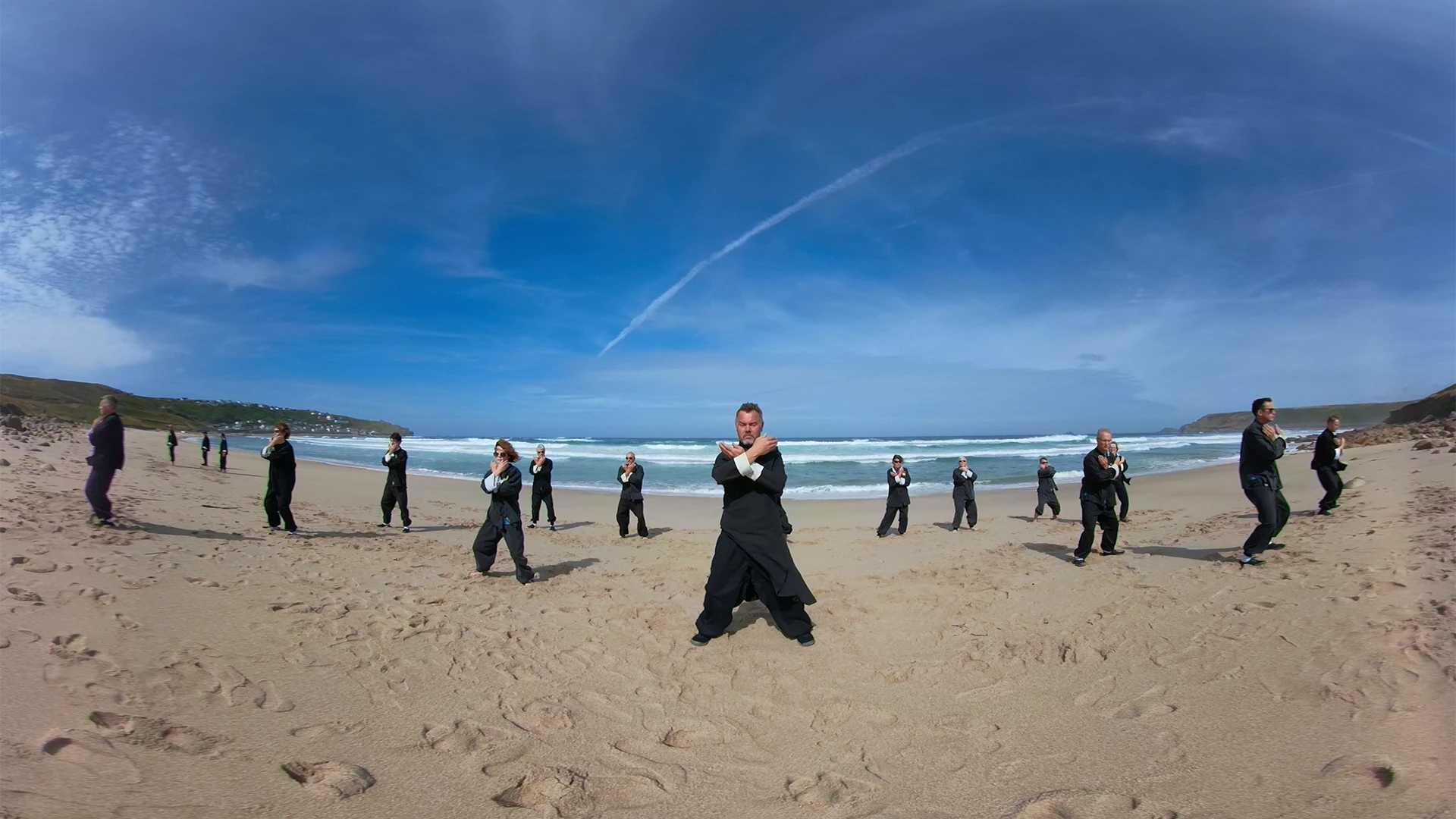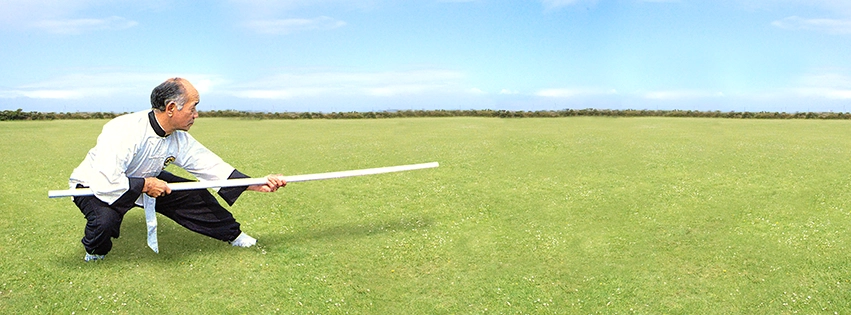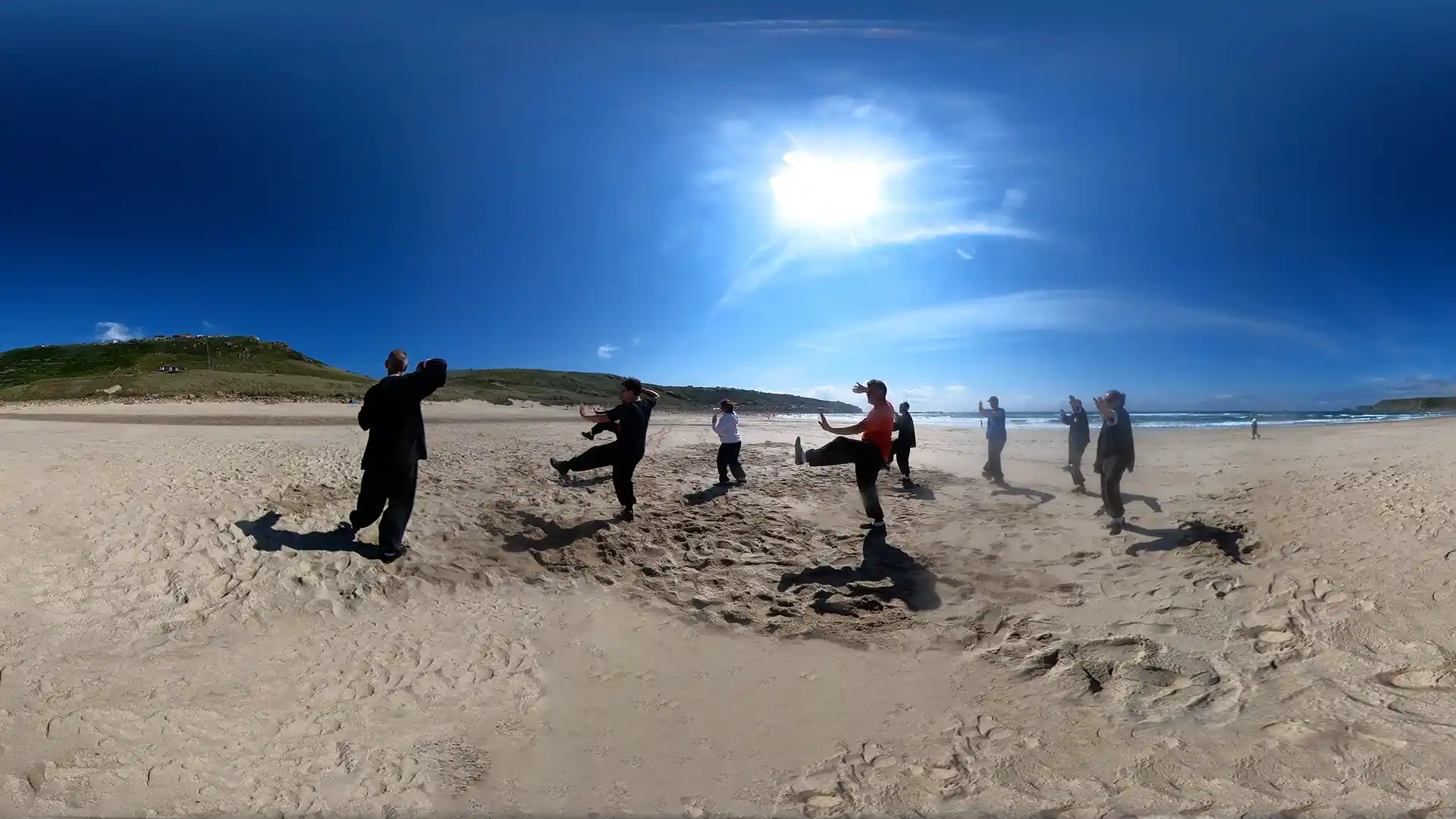
Our T’ai Chi club will be starting back on Thursday 10th September at Caludon Castle Sports Centre 7.30-9pm and beginners, all ages and abilities, will be welcome to join us. For further information, please contact Martin on 07779029976.
Category: T’ai Chi

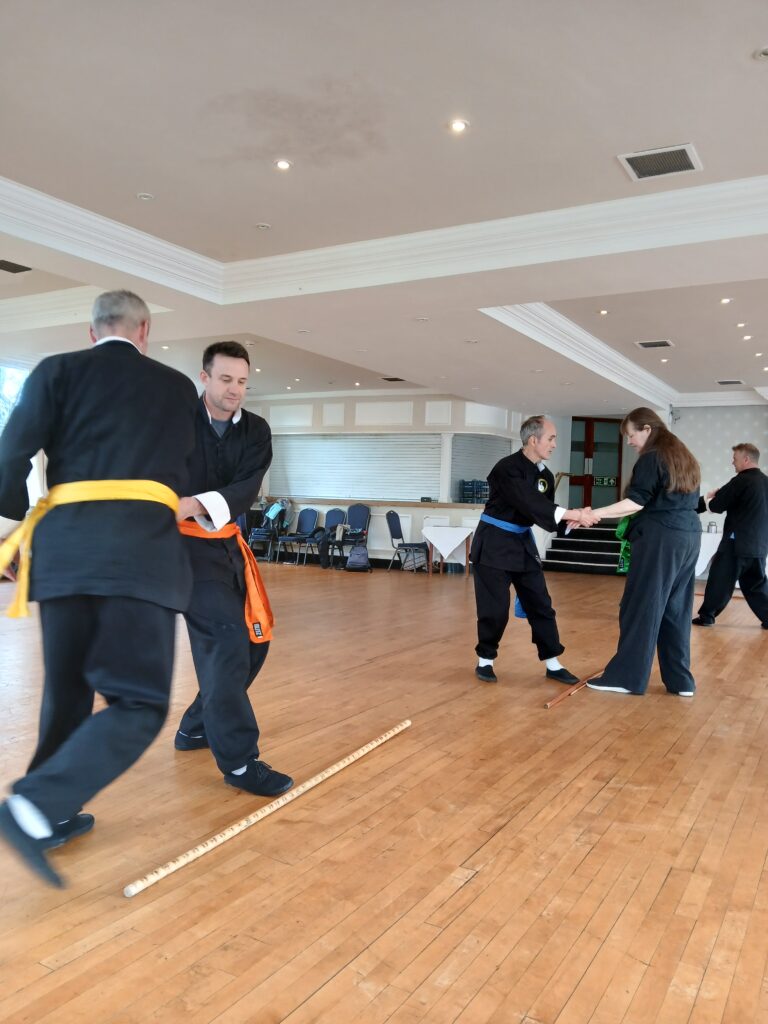
T’ai Chi and Kung Fu Weapons
July 4 th T’ai Chi Weapons 11.30 a.m – 4 p.m
July 5th Kung Fu Weapons 10 a.m – 4 p.m
North Leamington School Gym
Sandy Lane , Blackdown, Leamington Spa CV32 6RD
All welcome and we enjoy teaching beginners, so come along and try this training. It’s a way to reawaken parts of your latent energies and improves self awareness and sensitivity .
Weapons can be bought or borrowed let us know if you need some ordered.
Bring a packed lunch, tea will be provided.
To book a place on either or both of these courses, click on the link below:

Birmingham T’ai Chi Summer Term Course
We will be hosting the Summer term Day Course at the Birmingham Club run by Julie Wall, open to beginners and those already training .
Saturday June 6th 10.30 a.m to 4 .30 p.m
At Kings Heath Community Centre
8 Heathfield Rd, King’s Heath, Birmingham B14 7DB
Please book in and see you there. If you want to become a member before the course let your teacher know or sign up here and we can make you a membership card .
Beginners are also welcome.
To sign up for the course, click on the link below:

First summer course
Saturday 16th May
Caludon Castle Sports Centre , Axholme Rd , Coventry , CV2 5BD
10 a.m – 4 p.m
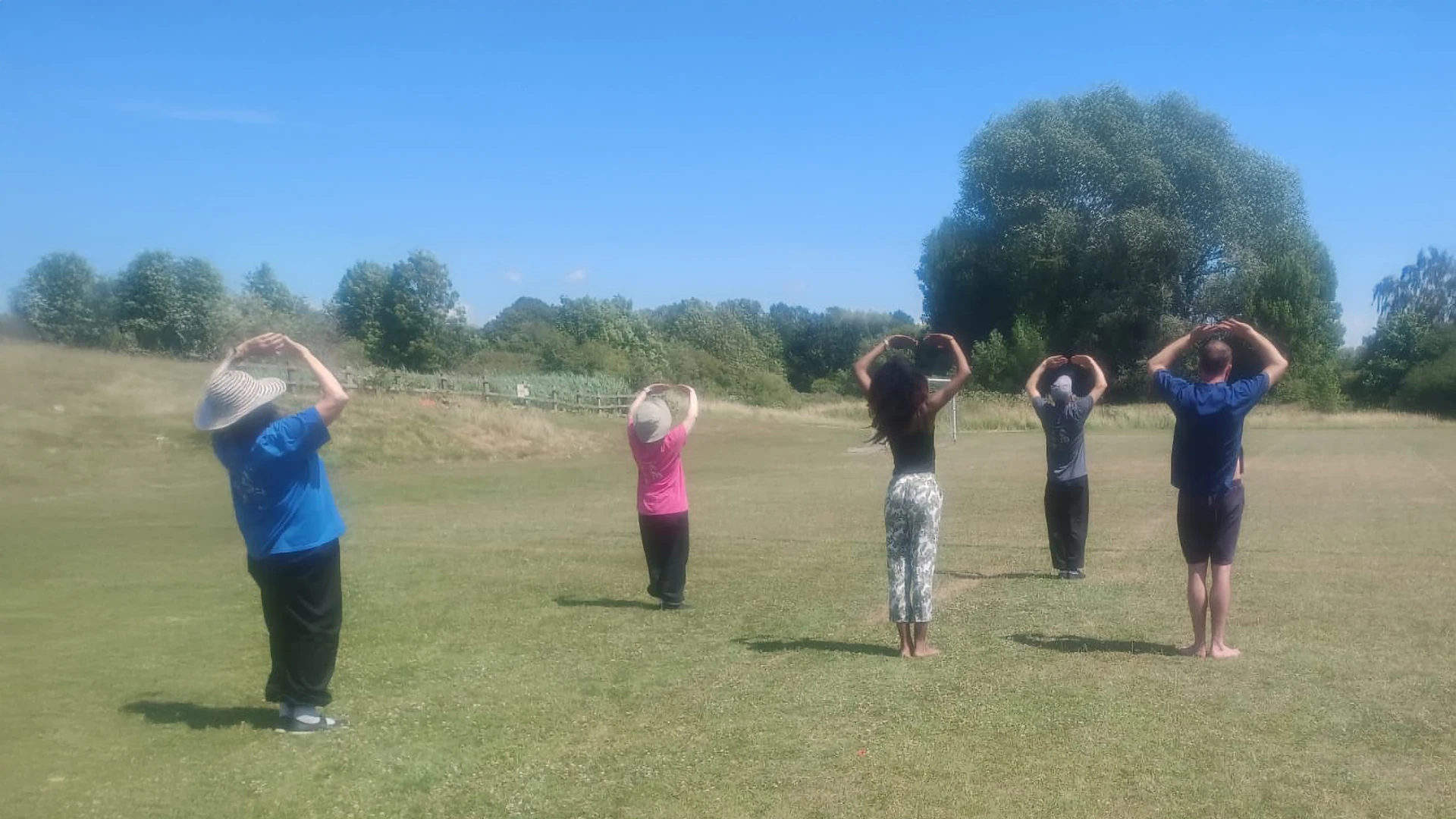
All are welcome to join us for T’ai Chi training in the Dance Studio and outside if the weather is good. Beginners are welcome.
Come along for a day or do half a day.
To book a place on the course, click on https://www.seahorsearts.co.uk/coventry-tai-chi-day/
Contact us for more details Contact Seahorse Arts

Summer Term T’ai Chi
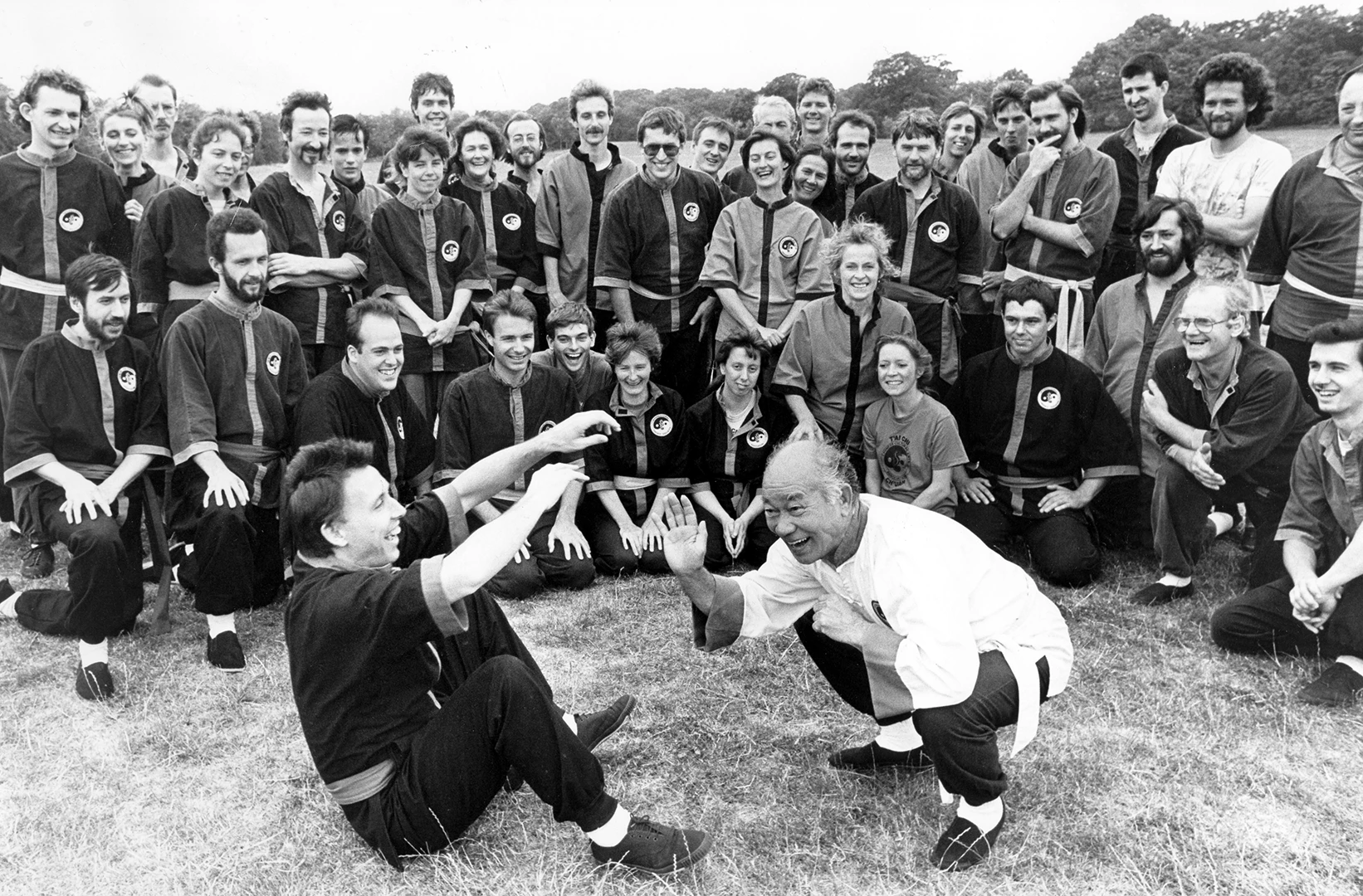
Our T’ai Chi club will be starting back for the summer term at Caludon Castle Sports Centre in the Dance Studio on Thursday 16th April 7.30-9pm. The Lee style of T’ai Chi has been practised in Coventry since Chee Soo brought the art to our city in the 1980s. So why not come along and join us to improve your balance, focus, flexibility and many more areas of your health and well-being? All ages and abilities are welcome. For more information, see www.coventrytaichi.co.uk


Chinese New Year T’ai Chi Course
We will be running a T’ai Chi course for the Chinese New Year Spring Festival on
Saturday February 21st 10 a.m to 4 p.m
At Caludon Castle Sports Centre
Axholme Rd , Coventry , CV2 5BD
This is an excellent opportunity to train with experienced teachers and students from other clubs. Beginners, all ages and abilities are welcome. Bring a packed lunch, tea will be provided.
For more details of this course and how to become a member of our Association, please click on the link below:
https://www.seahorsearts.co.uk/weekend-courses

Do the different seasons affect the way we do Lee Style T’ai Chi
According to the teachings of Chee Soo, the founder of Lee Style T’ai Chi, the different seasons can indeed have an impact on the practice of T’ai Chi. Chee Soo emphasized the importance of aligning our practice with the natural rhythms and changes in the environment.
In Lee Style T’ai Chi, there is an understanding that each season corresponds to specific energetic qualities and characteristics. Adapting our practice accordingly allows us to harmonize with the changing energy of nature and optimize our health and well-being.
For example, during the spring season, which represents a time of growth and new beginnings, the focus may be on cultivating upward and outward movements, reflecting the energy of blossoming and expansion. In contrast, during the winter season, which represents a time of introspection and conservation, the practice may involve slower, more meditative movements to conserve and store energy.
The specific ways in which the seasons are incorporated into Lee Style T’ai Chi may vary depending on the lineage and interpretation of the art. It is important to study under a qualified instructor who can guide you in understanding and adapting your practice according to the seasons.
It’s worth noting that while the connection between T’ai Chi and the seasons is a part of traditional teachings, the scientific research on how the practice specifically adapts to the seasons is limited. However, many practitioners find value in aligning their T’ai Chi practice with the natural rhythms of the seasons as a way to deepen their connection with nature and enhance their overall practice.
What are the benefits of practicing T’ai Chi outside
Practicing the Lee Style of T’ai Chi, as taught by Chee Soo, can benefit you regardless of whether you are training indoors or outdoors. T’ai Chi is a martial art and a form of exercise that focuses on slow, flowing movements and deep breathing. It is designed to promote physical health, mental clarity, and spiritual development.
When practiced outdoors, T’ai Chi offers several additional advantages. Here are a few reasons why training outside can enhance the benefits of practicing the Lee Style of T’ai Chi:
- Connection with nature: Being outdoors allows you to connect with the natural environment, which can have a calming and grounding effect. The fresh air, sunlight, and sounds of nature can enhance your overall well-being and deepen your experience of T’ai Chi.
- Increased space: Practicing T’ai Chi in a spacious outdoor setting provides you with more freedom of movement. You have the opportunity to extend your limbs and perform the movements without restrictions, enabling a greater range of motion.
- Natural surroundings: The outdoors often provides a visually appealing backdrop, such as parks, gardens, or scenic landscapes. This natural environment can create a serene atmosphere that helps to promote relaxation, focus, and a sense of tranquility during your T’ai Chi practice.
- Grounding and stability: Many T’ai Chi movements require a solid stance and rooted connection with the ground. Practicing on natural surfaces like grass, soil, or sand can enhance your stability and balance as you engage with different terrains. This can further develop your grounding skills and deepen your understanding of the martial aspects of T’ai Chi.
- Exposure to varying conditions: Training outdoors exposes you to different weather conditions, such as sunlight, wind, or rain. These variations can help you adapt and adjust your T’ai Chi practice, improving your resilience and flexibility both physically and mentally.
However, it’s important to note that practicing T’ai Chi indoors also offers numerous benefits. Indoor training provides a controlled environment with stable footing, protection from weather elements, and a consistent space for practice. You can still gain the physical, mental, and spiritual benefits of T’ai Chi by practicing indoors.
Ultimately, whether you choose to practice T’ai Chi indoors or outdoors, the most important aspect is consistency in your practice. Regular training, regardless of the environment, will enable you to experience the benefits and progress in your journey of learning the Lee Style of T’ai Chi.

How does T’ai Chi, as taught by Chee Soo, help us to cope with the stresses and strains of modern living?
The Lee Style of T’ai Chi, as taught by Chee Soo, can be beneficial in helping us deal with the stresses and strains of modern living in several ways:
- Mind-Body Connection: T’ai Chi is a mind-body practice that emphasizes the integration of physical movements with mental focus and deep breathing. Regular practice of the Lee Style of T’ai Chi helps cultivate a heightened awareness of the body and its movements, allowing individuals to develop a stronger mind-body connection. This increased awareness can help manage stress and promote overall well-being.
- Relaxation and Stress Reduction: The slow, flowing movements of T’ai Chi help promote relaxation and reduce stress. The practice encourages practitioners to let go of tension in the body and mind, promoting a sense of calmness and tranquility. By focusing on the present moment and the fluidity of the movements, individuals can temporarily shift their attention away from daily stressors and experience a greater sense of inner peace.
- Balance and Harmony: T’ai Chi promotes balance and harmony within the body and mind. The Lee Style of T’ai Chi places particular emphasis on maintaining a centered and balanced posture throughout the practice. This physical balance is mirrored in its philosophy of seeking balance in all aspects of life. By cultivating physical balance, practitioners can also develop a greater sense of emotional and mental equilibrium, allowing them to better navigate the challenges of modern living.
- Energy Cultivation: T’ai Chi incorporates the concept of Qi (pronounced “chee”), which is the life force energy according to traditional Chinese medicine. The practice aims to enhance the flow of Qi within the body, promoting vitality and well-being. Regular practice of the Lee Style of T’ai Chi can help individuals increase their energy levels, reduce fatigue, and improve overall resilience to stress.
- Mindfulness and Meditation: T’ai Chi can be seen as a moving meditation. By focusing on the breath, body movements, and sensations, practitioners develop a state of mindfulness during the practice. This mindfulness carries over into daily life, helping individuals become more present and attentive to the present moment. By cultivating a mindful approach to life’s challenges, individuals can better manage stress and respond to situations with clarity and calmness.
Overall, the Lee Style of T’ai Chi, as taught by Chee Soo, offers a holistic approach to managing the stresses and strains of modern living. It combines physical movement, relaxation, mental focus, energy cultivation, and mindfulness, providing practitioners with valuable tools to enhance their well-being and resilience in the face of daily pressures.