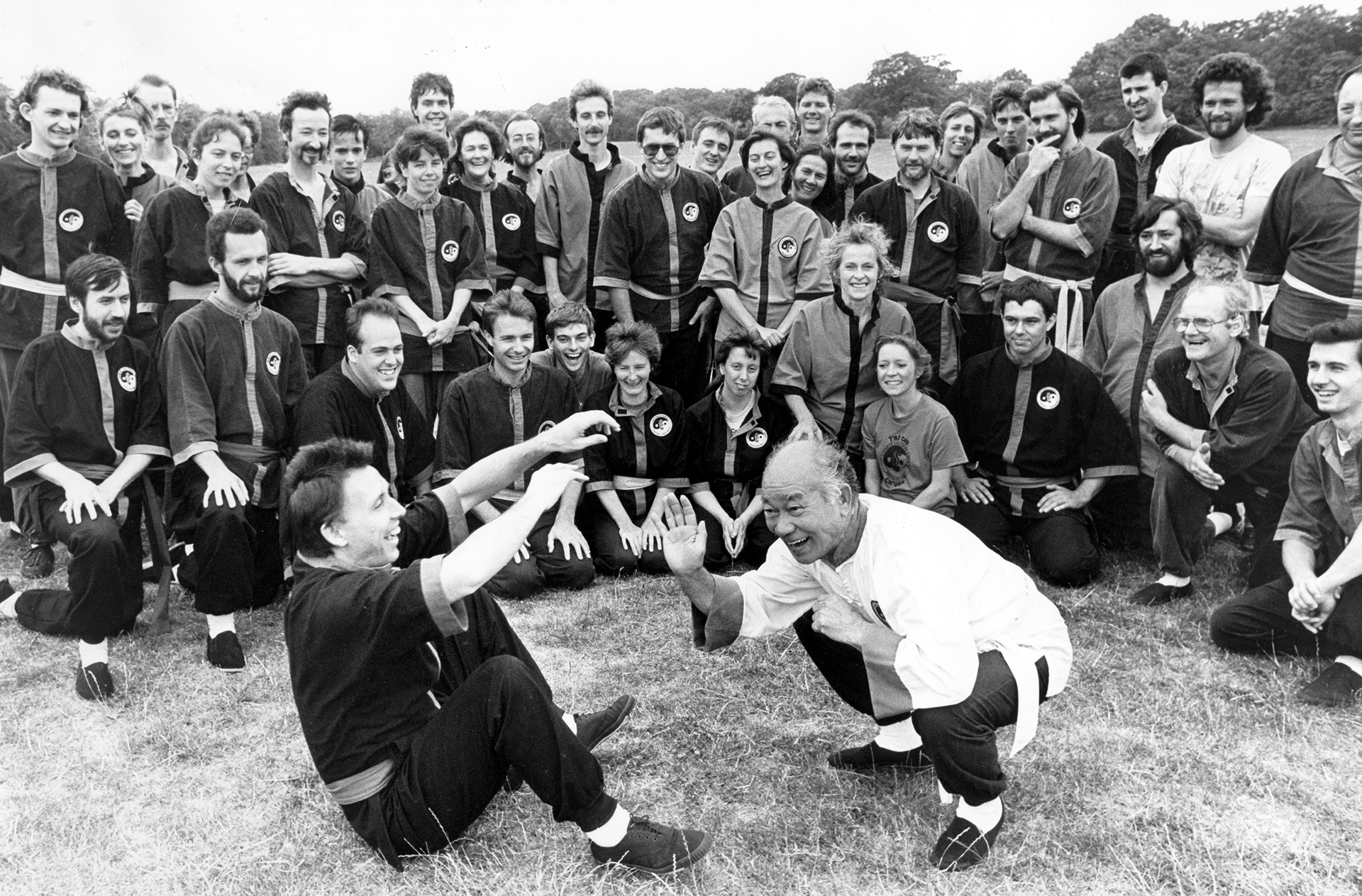
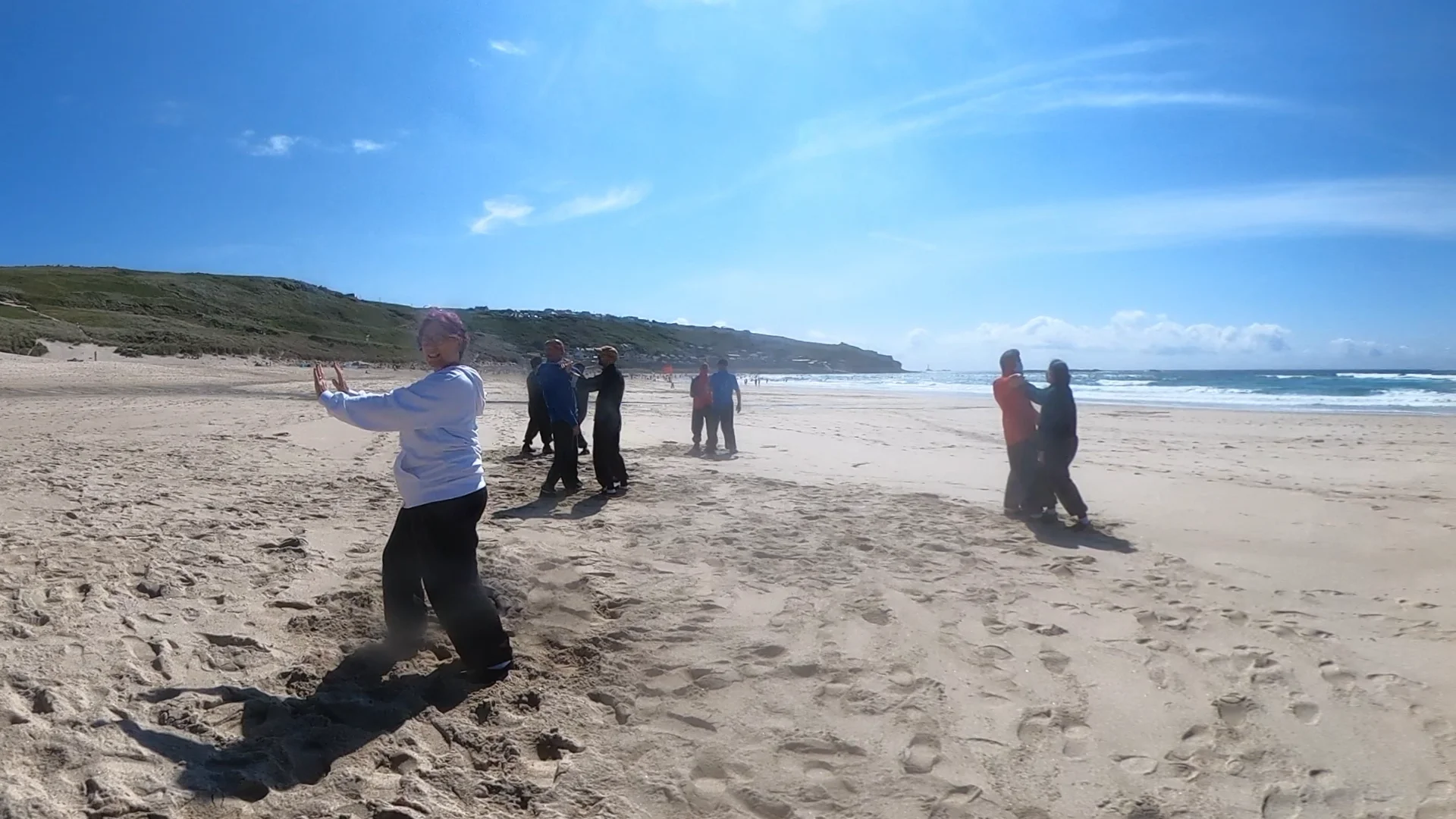
T’ai Chi, including the Lee Style as taught by Chee Soo, is a martial art and meditative exercise that has been practiced for centuries. While there is evidence to suggest that regular T’ai Chi practice can have numerous benefits for physical and mental well-being, it’s important to note that no single practice can guarantee increased longevity or improved quality of life on its own.
Here are some potential benefits of practicing T’ai Chi, including the Lee Style:
Physical Health: T’ai Chi involves slow, flowing movements that can improve balance, flexibility, coordination, and strength. Regular practice may help reduce the risk of falls, alleviate joint pain, enhance cardiovascular health, and promote overall physical fitness.
Mental Well-being: T’ai Chi is often practiced as a form of moving meditation. It emphasizes deep breathing, relaxation, and mindfulness. Regular practice can help reduce stress, improve mental clarity, enhance focus and concentration, and promote a sense of calm and well-being.
Body Awareness: T’ai Chi cultivates body awareness, allowing practitioners to become more attuned to their posture, alignment, and energy flow. This increased body awareness can help improve posture, alignment, and movement efficiency, potentially reducing the risk of injury and promoting better overall body mechanics.
Social Interaction: Joining a T’ai Chi class can provide an opportunity for social interaction and a sense of community, which can contribute to overall well-being.
While T’ai Chi can be a valuable component of a healthy lifestyle, it’s important to recognize that longevity and quality of life are influenced by multiple factors. These include genetics, overall physical health, diet, lifestyle choices, access to healthcare, and environmental factors.
To maximize the potential benefits, it is advisable to consult with a qualified instructor who can guide you through proper technique and progression. Additionally, maintaining a well-rounded approach to health and well-being, including a balanced diet, regular exercise, stress management, and maintaining social connections, is essential for promoting longevity and improving the quality of life.
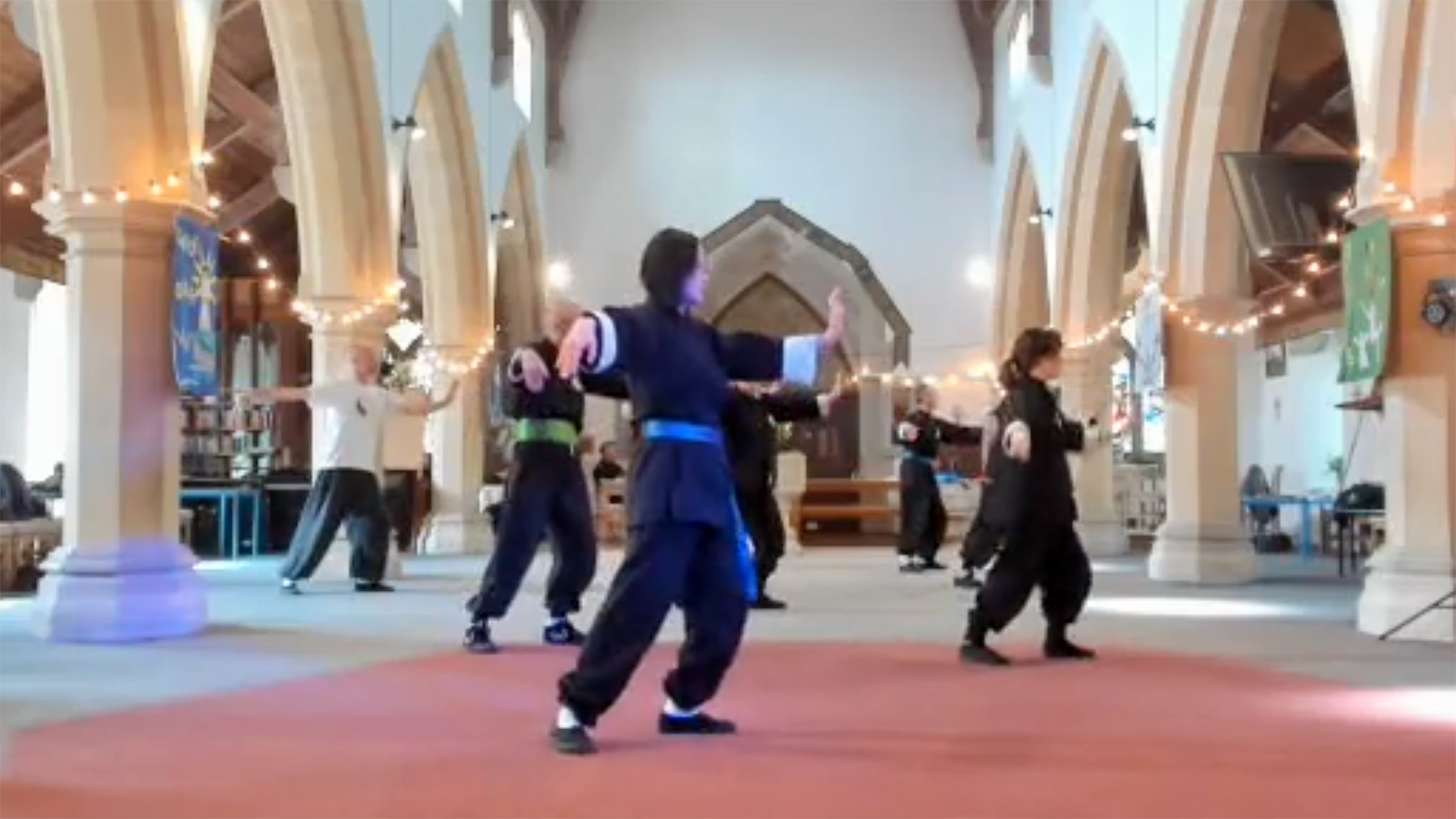
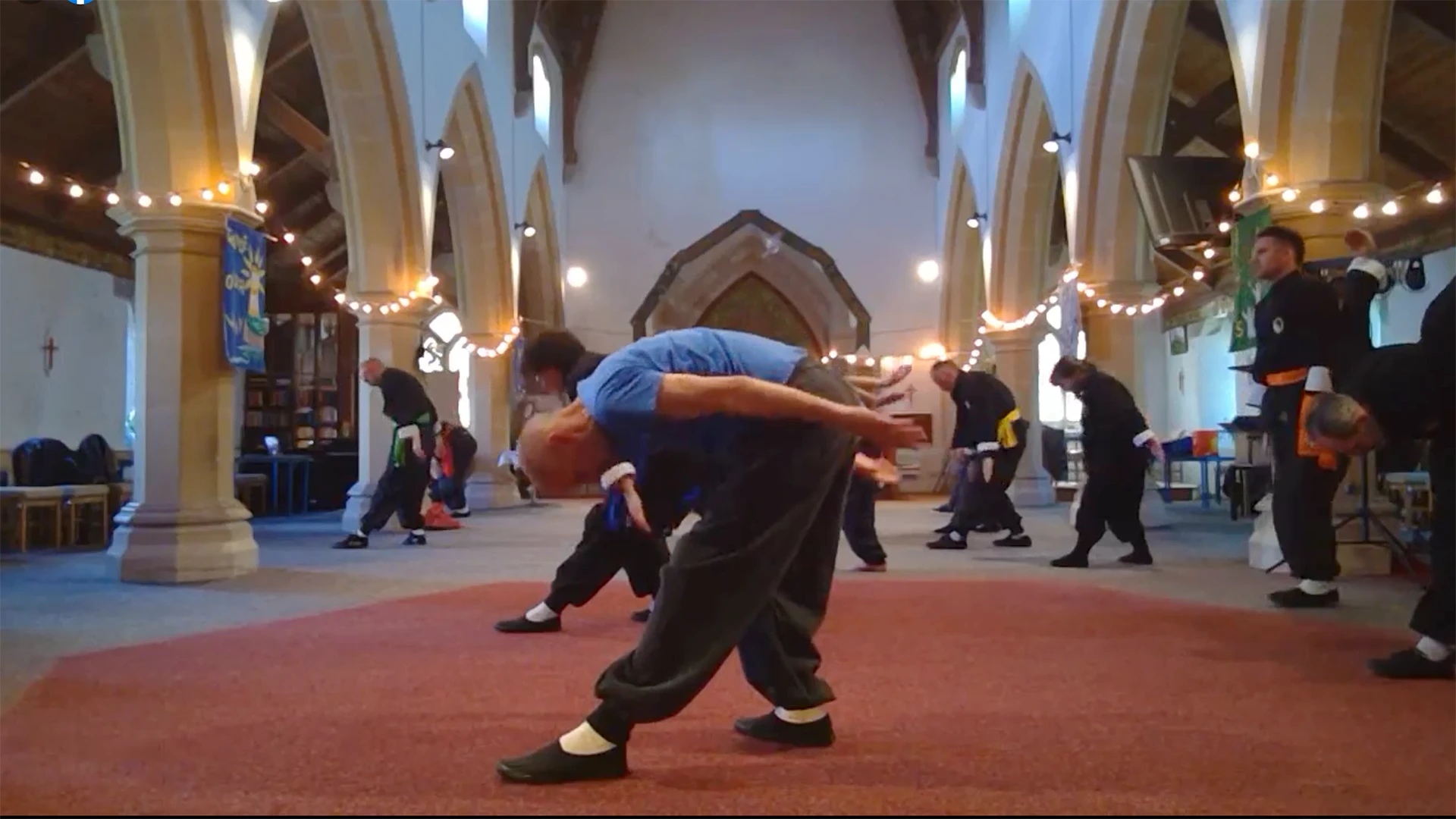
Our Easter Course last year in the stunning new venue at the St-john’s-in-the-fields church in St Ives was such a success we are doing it all over again this year. It was the first time we have ever had an Easter Course with fresh-cut flowers and fairy lights. The church is such a vibrant and light-filled venue with an amazing atmosphere and ideal for uplifting the spirits and doing some Tai Chi and Qigong.
Monday 10th – Friday 14th April 2023 10am to 4pm
St-john’s-in-the-fields church, Parc an Stamps, Saint Ives TR26 2FB
Kai Men Qigong is a series of exercises in Lee style Tai Chi that emphasize the principles of Qi, the vital life force in Ancient Chinese medicine. In this blog post, we’ll explore what Qi is, how it’s related to Chinese medical principles, why qigong is popular as a health exercise, and how Kai Men Qigong specifically can benefit your health.
What is Qigong?
Qigong (pronounced “chee-gong”) is an ancient Chinese practice that focuses on cultivating the vital life force or Qi. It involves a series of exercises that are designed to enhance the flow of Qi through the body, promote relaxation, and improve overall health and well-being. Qigong exercises are often gentle and slow and can be performed by people of all ages and fitness levels.
What is Qi?
Qi is a fundamental concept in Chinese medicine that refers to the vital life force or energy that animates all living things. It is said to flow through channels or meridians in the body, nourishing the organs and tissues and keeping them healthy. According to Chinese medical principles such as the zangfu theory of internal organs and functions in ancient Chinese medicine, Qi is essential for maintaining health and preventing disease.
Why is Qigong Popular as a Health Exercise?
Qigong is popular as a health exercise because it can improve overall physical and mental well-being. Regular practice of qigong has been shown to reduce stress, improve balance, flexibility, and coordination, lower blood pressure, and strengthen the immune system. It can also be used as a complementary therapy for various medical conditions, including chronic pain, cancer, and cardiovascular disease.
How Does Qigong Work?
Qigong works by enhancing the flow of Qi through the body. This is achieved through a series of exercises that involve breathing techniques, movement, and visualization. Qigong exercises are designed to stimulate the flow of Qi through specific channels or meridians in the body, which can help to unblock any areas where the Qi is stagnant or deficient. This, in turn, can help to promote healing and overall wellbeing.
What is Kai Men?
Kai Men Qigong is a fundamental exercise in Lee-style Tai Chi that focuses on cultivating and enhancing the flow of Qi through the body. It is designed to help students develop sensitivity to Qi, improve relaxation, and promote overall health and well-being. Kai Men Qigong involves a series of exercises that are performed in a standing position and include breathing techniques, movement, and visualization.
The Benefits of Kai Men Qigong
Kai Men Qigong has many benefits for the body and mind. It can help to:
Enhance the flow of Qi through the body
Promote relaxation and reduce stress
Improve balance, coordination, and flexibility
Strengthen the immune system
Increase overall energy levels
Improve mental clarity and focus
In conclusion, Kai Men Qigong is a fundamental exercise in Lee-style Tai Chi that can benefit your overall health and well-being. Qigong as a practice can enhance the flow of Qi through the body, promote relaxation, and improve physical and mental health. It’s a popular exercise because it’s gentle and accessible to people of all ages and fitness levels. If you’re interested in learning more about qigong or trying out Kai Men for yourself, come and join our Lee-style Tai Chi class in Coventry.
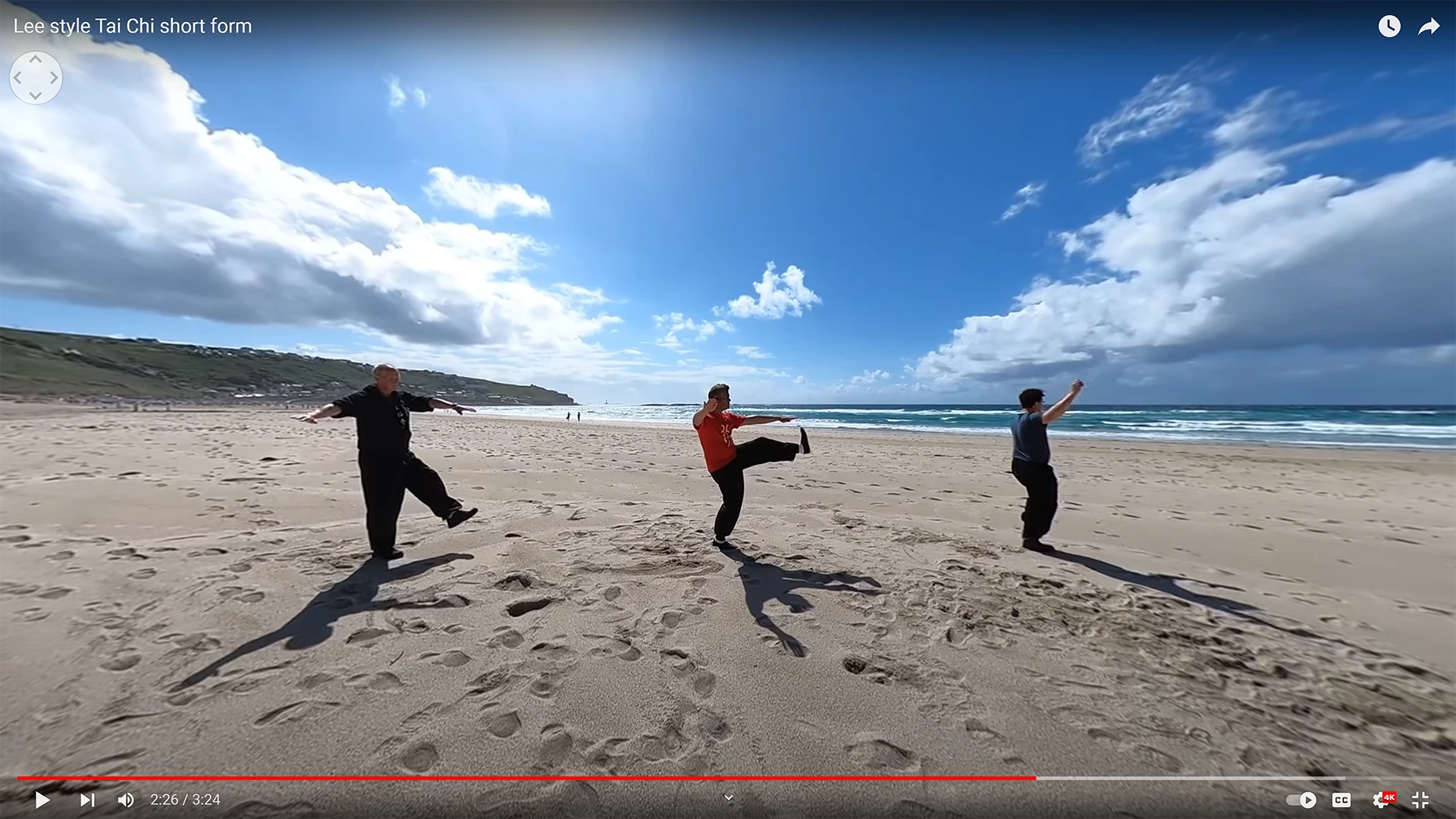
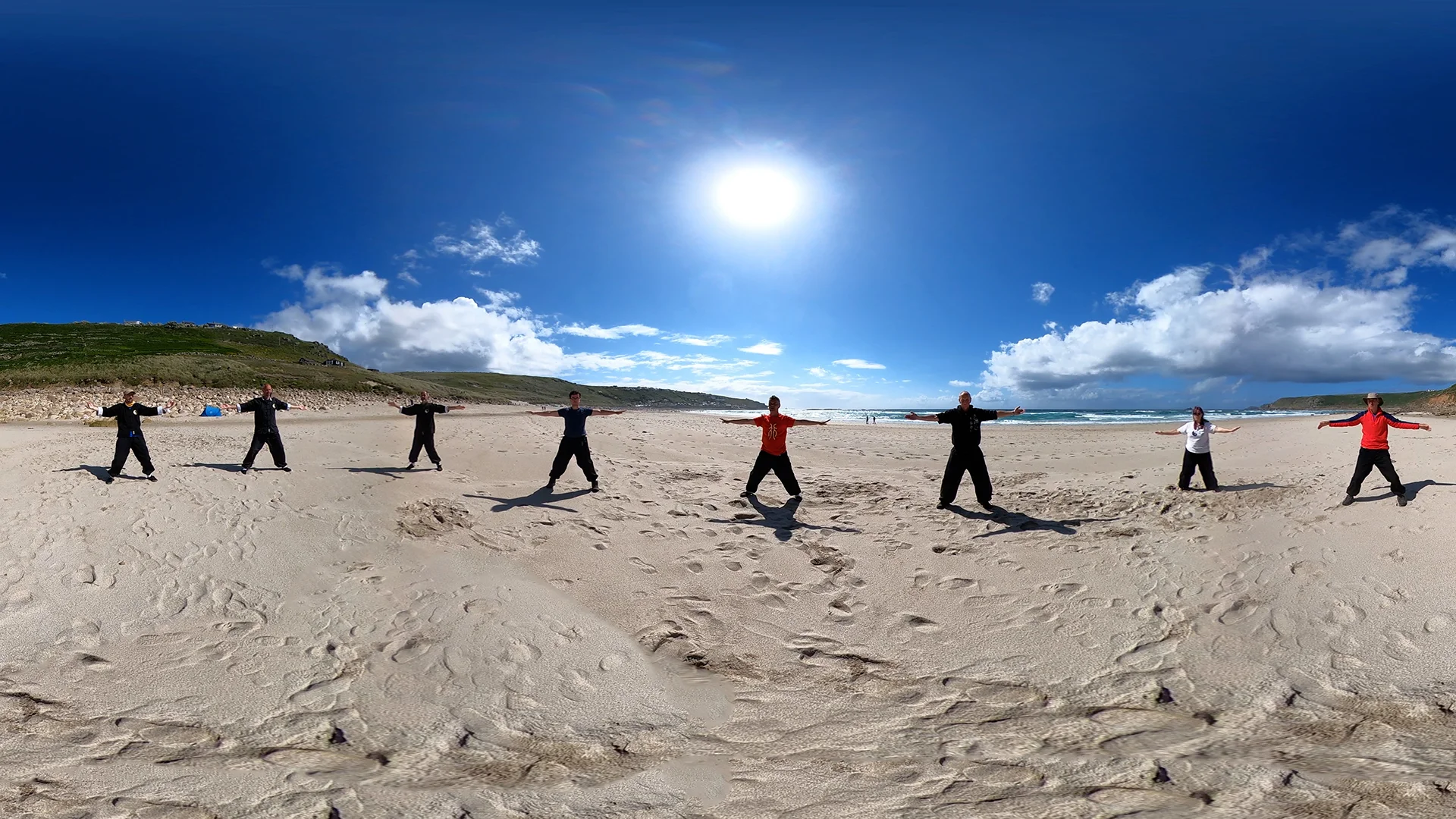
Tai Chi on the beach, a proven antidote for stress
In recent years, Tai Chi has become an increasingly popular form of exercise worldwide, and for good reason. This ancient Chinese practice has been shown to have numerous health benefits, including stress reduction and relaxation. In this blog post, we will explore the science behind these benefits and provide references to peer-reviewed studies from reputable sources in China, around the world, and in the UK.
What is Tai Chi?
Tai Chi, also known as Tai Chi Chuan, is a traditional Chinese martial art that involves slow, fluid movements and deep breathing. It was originally developed as a form of self-defense, but over time, it has evolved into a form of exercise that is practiced for health and wellness purposes. Tai Chi is often described as a moving meditation, as it requires focus and concentration to perform the movements correctly.
Tai Chi for Stress Reduction and Relaxation
Stress is a common problem in today’s fast-paced world. It can lead to a variety of physical and mental health problems, including anxiety, depression, and cardiovascular disease. Tai Chi has been shown to be an effective way to reduce stress and promote relaxation, making it a valuable tool for maintaining overall health and wellbeing.
One study conducted in China found that practicing Tai Chi for just 12 weeks resulted in significant reductions in perceived stress and improvements in overall mood among participants 1. Another study conducted in the UK found that Tai Chi was effective in reducing both state and trait anxiety in a group of healthy adults 2.
The calming effects of Tai Chi may be due in part to its focus on deep breathing and relaxation techniques. When we are stressed, our breathing becomes shallow and rapid, which can increase feelings of anxiety and tension. By practicing deep breathing and relaxation techniques, Tai Chi can help to counteract these effects and promote a sense of calm and relaxation.
Tai Chi for Physical Health
In addition to its mental health benefits, Tai Chi has also been shown to have numerous physical health benefits. Some of these benefits include improved balance and coordination, increased flexibility and range of motion, and reduced pain and inflammation.
Balance and Coordination
Falls are a common problem among older adults, and they can lead to serious injuries such as hip fractures. Tai Chi has been shown to be an effective way to improve balance and reduce the risk of falls in older adults. One study conducted in China found that a 12-week Tai Chi program resulted in significant improvements in balance and reduced the risk of falls among participants 3.
Flexibility and Range of Motion
Tai Chi involves slow, fluid movements that require a wide range of motion. This can help to improve flexibility and range of motion, which is especially important for older adults who may be at risk for mobility problems. One study conducted in the UK found that a 12-week Tai Chi program resulted in significant improvements in flexibility and range of motion among older adults 4
Pain and Inflammation
Tai Chi has been shown to be effective in reducing pain and inflammation in a variety of conditions, including osteoarthritis, fibromyalgia, and chronic low back pain. One study conducted in the US found that a 12-week Tai Chi program resulted in significant reductions in pain and stiffness among participants with knee osteoarthritis 5. Another study conducted in Australia found that a 10-week Tai Chi program resulted in significant reductions in pain and improved physical function among participants with fibromyalgia 6.
Conclusion
In conclusion, Tai Chi is a valuable tool for promoting both physical and mental health. Its slow, fluid movements and deep breathing techniques make it an effective way to reduce stress and promote relaxation. Additionally, Tai Chi has been shown to improve balance and coordination, increase flexibility and range of motion, and reduce pain and inflammation in a variety of conditions. If you are looking for a low-impact exercise that is beneficial for both your physical and mental health, Tai Chi may be a great option for you.
It’s important to note that while Tai Chi is generally considered safe for most people, it’s always a good idea to check with your doctor before starting a new exercise program, especially if you have any pre-existing health conditions or concerns.
References:
Wang F, Man JK, Lee EK, Wu T, Benson H, Fricchione GL, et al. The effects of tai chi on depression, anxiety, and psychological well-being: A systematic review and meta-analysis. Int J Behav Med. 2019;26(5):484-503.
Ng BMY, Tsang HWH, Jones AYM, So CT, Mok TYW. Functional and psychosocial effects of health qigong in patients with COPD: a randomized controlled trial. J Altern Complement Med. 2011;17(3):243-51.
Li JX, Hong Y, Chan KM. Tai chi: physiological characteristics and beneficial effects on health. Br J Sports Med. 2001;35(3):148-56.
Li F, Fisher KJ, Harmer P, Irbe D, Tearse RG, Weimer C. Tai chi and self-rated quality of sleep and daytime sleepiness in older adults: a randomized controlled trial. J Am Geriatr Soc. 2004;52(6):892-900.
Song R, Roberts BL, Lee EO, Lam P, Bae SC. A randomized study of the effects of t’ai chi on muscle strength, bone mineral density, and fear of falling in women with osteoarthritis. J Altern Complement Med. 2010;16(2):227-33.
Wang C, Schmid CH, Rones R, Kalish R, Yinh J, Goldenberg DL, et al. A randomized trial of tai chi for fibromyalgia. N Engl J Med. 2010;363(8):743-54.
Tai Chi is a form of exercise that has been practiced for centuries. It originated in China as a martial art and is now widely practiced around the world for its health benefits. One of the key elements of Tai Chi is the concept of Qi, which is often translated as energy. In this blog post, we will explore the role of Qi in Tai Chi practice and how it can help you improve your physical, mental, and emotional health.
What is Qi?
Qi is a fundamental concept in Chinese culture and traditional medicine. It is often translated as “life force” or “vital energy,” and is believed to be the essence of all living things. According to traditional Chinese medicine, Qi flows through the body along specific pathways known as meridians. When Qi is flowing freely, a person is healthy and balanced. When Qi is blocked or deficient, illness and disease can occur.
In Tai Chi, Qi is often described as the energy that powers the movements of the body. It is said to flow through the body in a smooth and continuous manner, creating a sense of internal harmony and balance. The goal of Tai Chi practice is to cultivate and harmonize Qi, allowing it to flow freely throughout the body.
The Three Treasures: Jing, Qi, and Shen
In traditional Chinese medicine, Qi is one of three fundamental substances known as the Three Treasures. The other two treasures are Jing and Shen. Jing is the essence of the body, including the bones, marrow, and reproductive fluids. Shen is the spirit or consciousness, including emotions, thoughts, and perceptions.
The three treasures are intimately connected, and each one affects the others. For example, when Jing is strong and healthy, it can support the cultivation of Qi and Shen. When Qi is flowing freely, it can nourish Jing and support the health of the body. When Shen is calm and peaceful, it can help to harmonize Qi and Jing.
In Tai Chi, the cultivation of Qi is seen as a way to harmonize and balance all three treasures, leading to improved health and well-being.
Cultivating Qi in Tai Chi Practice
There are many ways to cultivate Qi in Tai Chi practice. Here are some key principles to keep in mind:
Relaxation: Tai Chi movements should be performed in a relaxed and fluid manner. Tension in the body can block the flow of Qi, so it is important to let go of any unnecessary tension.
Breath Control: The breath is closely connected to Qi. In Tai Chi, the breath should be slow, deep, and relaxed, with an emphasis on exhaling fully to release stale air and toxins from the body.
Concentration: Tai Chi is often described as a moving meditation. It is important to focus the mind on the movements and sensations of the body, allowing distractions to fade away.
Visualization: Many Tai Chi practitioners use visualization techniques to help cultivate Qi. For example, imagining a ball of light moving through the body along the meridians can help to enhance the flow of Qi.
Benefits of Cultivating Qi in Tai Chi Practice
Cultivating Qi in Tai Chi practice can have many benefits for your physical, mental, and emotional health. Here are just a few examples:
Improved Energy: When Qi is flowing freely, it can increase energy levels and reduce fatigue.
Reduced Stress: Tai Chi practice has been shown to reduce stress and anxiety, which can be beneficial for overall health and well-being.
Improved Balance: Tai Chi movements are slow and deliberate, which can improve balance and reduce the risk of falls, especially in older adults.
Enhanced Immune Function: Cultivating Qi can boost the immune system, helping to prevent illness and disease.
In conclusion, the cultivation of Qi is an essential element of Tai Chi practice. Cultivating Qi can improve physical, mental, and emotional health, and is a key factor in the overall benefits of Tai Chi. By incorporating principles such as relaxation, breath control, mindfulness, and visualization into your Tai Chi practice, you can enhance the flow of Qi throughout your body and reap the many benefits that come with it.
If you’re interested in learning more about Tai Chi and how to cultivate Qi, consider joining a Tai Chi class. A skilled instructor can guide you through the movements and help you develop a deeper understanding of the role of Qi in Tai Chi practice. With regular practice and dedication, you can unlock the power of Qi and experience the many benefits that Tai Chi has to offer.
Tai Chi is a martial art and exercise form that originated in ancient China that has become increasingly popular worldwide due to its numerous health benefits. It involves slow and gentle movements that promote the cultivation and circulation of Qi, the vital energy that flows within the body. This blog post will explore the practice of Tai Chi, its benefits, and its philosophy, focusing on the principles of ancient Chinese medicine and Taoist philosophy.
What is Tai Chi?
Tai Chi is a practice that emphasizes the integration of mind, body, and spirit. Its slow and gentle movements, performed in a continuous and fluid manner, stimulate the circulation of Qi, which nourishes the internal organs and promotes health and wellbeing. Tai Chi is based on the principles of Yin and Yang, which represent the complementary forces of the universe.
How does Tai Chi work?
Tai Chi works by regulating the flow of Qi and blood in the body. The slow and gentle movements stimulate the circulation of Qi and blood, which nourish the internal organs and promote health and well-being. Tai Chi also strengthens the muscles, tendons, and bones, improves posture and balance, and enhances flexibility and range of motion.
What are the benefits of learning Tai Chi?
Tai Chi has numerous health benefits, including reducing stress and anxiety, improving cardiovascular health, reducing chronic pain, and improving immune function. Tai Chi can also enhance mental clarity, emotional stability, and overall quality of life. Regular practice of Tai Chi can lead to a healthier and happier life.
Taoist Philosophy and Tai Chi
Tai Chi is deeply rooted in Taoist philosophy, which emphasizes the importance of balance, harmony, and naturalness. The concept of Wu Wei, or effortless action, is central to Tai Chi practice. By practicing Tai Chi, individuals learn to move with naturalness and ease, and to respond to their environment with fluidity and adaptability.
Qi in Tai Chi
In Tai Chi, Qi refers to the vital energy that flows within the body. Qi is considered the foundation of health and vitality in ancient Chinese medicine. Tai Chi promotes the cultivation and circulation of Qi through slow and gentle movements, leading to improved health and wellbeing.
Internal Arts of China
Tai Chi is considered an internal art because its practice emphasizes the cultivation of Qi and the integration of mind, body, and spirit. The internal arts of China are practices that focus on the cultivation of Qi, such as Tai Chi, Qigong, and Bagua. These practices promote health, vitality, and harmony within the body and mind.
In conclusion, Tai Chi is a holistic practice that promotes health and wellbeing through the cultivation and circulation of Qi. Its principles are deeply rooted in Taoist philosophy and the ancient Chinese medical tradition. By practicing Tai Chi, individuals can improve their physical, mental, and emotional health, leading to a happier and healthier life. If you are interested in learning Tai Chi, come and join us at the Coventry class.