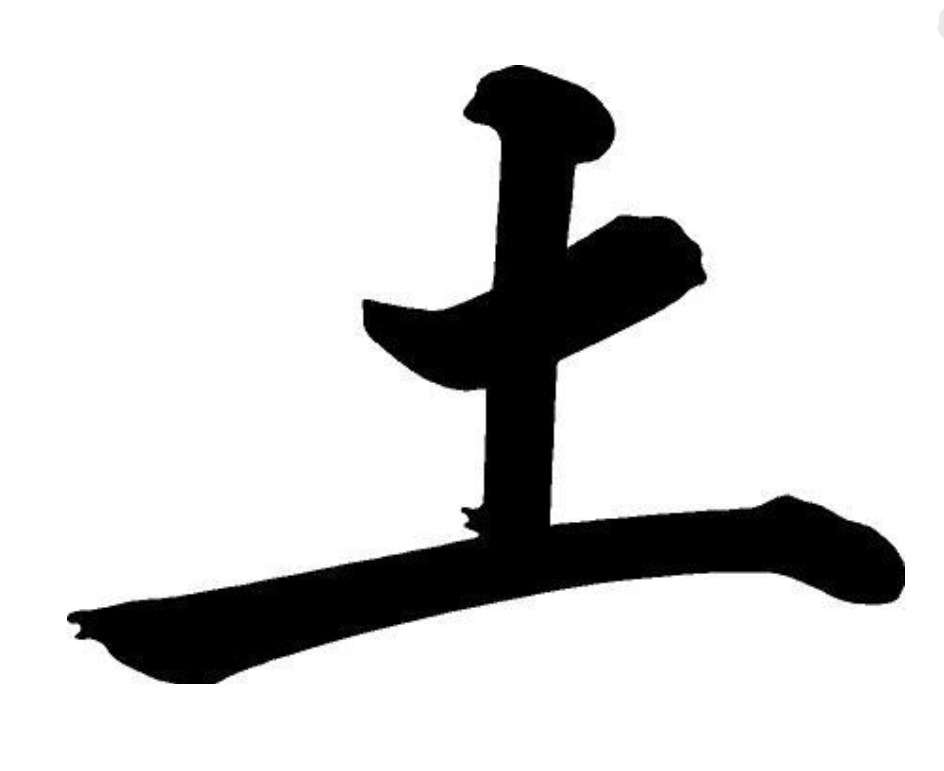
Nourishing the Earth Element: The Key to a Balanced Qi
In the realm of traditional Chinese medicine, understanding and maintaining our health are intricately linked to the concept of the Earth element. The Earth element, representing the Spleen and Stomach meridians, plays a fundamental role in regulating the flow of vital energy, or Qi, in our bodies. A balanced Earth element is crucial for overall well-being and is closely associated with the production of Wei Qi, which guards against external pathogens and regulates our circadian rhythm. To nurture the Earth element, we delve into the intricate relationship between diet, emotions, and physical well-being, exploring how to foster a harmonious balance.
The Earth Element and Its Role in Qi Regulation
The Earth element, as per the theory of Wuxing or the five elements, holds a central position, akin to the core of the Earth, in regulating the other elements. In this ancient tradition of Chinese medicine, the Earth element is seen as the root of Post Heaven Qi, the energy that sustains us postnatally. It is also the foundation for the transformation and transportation of nutrients within our bodies, a task overseen by the Spleen and Stomach.
When the Earth element is in a state of equilibrium, it ensures the smooth flow of Qi, a vital force that sustains our well-being. It is the efficient transformation of nutrients from our diet into Gu Qi, a form of Qi, that sustains our body and mind. This Gu Qi is the cornerstone of Wei Qi, the guardian of our body against external invaders and the regulator of our circadian rhythm.
Wei Qi and Circadian Rhythm
One of the essential functions of post-natal Qi is the production of Wei Qi, also known as Defensive Qi. Wei Qi safeguards our body against external pathogens and maintains our circadian rhythm, which influences our sleep-wake cycles and various bodily processes. Wei Qi is distributed at the surface of our body and within the spaces between the skin and muscles. It flows through the meridians and channels, particularly those close to the surface, creating a protective barrier comparable to the immune system in Western medicine.
Nourishing the Earth Element Through Diet
Fostering a healthy Earth element and maintaining balanced Qi requires aligning our diet with the principles of Chinese medicine. The way we eat, the choices we make, and the manner in which we consume our meals all contribute to this balance. Here are some key guidelines:
- When you eat, just eat: Begin each meal in a state of calm and focus. Chew your food thoroughly, as proper digestion starts in the mouth. Avoid rushing or eating on the go, and allocate ample time for digestion.
- Food Knowledge: Familiarize yourself with the nutritional and culinary aspects of food. Understanding not only the nutrients but also how to prepare appetizing and digestible dishes to stimulate the digestive process.
- Chang Ming Diet: Embrace a balanced diet that encompasses a variety of foods, including grains, vegetables, lean proteins, and healthy fats.
- Cooked Foods: Integrate warm, cooked foods into your diet as they are easier to digest and are gentler on the Earth element. Avoid excessively cold items such as ice cream, frozen foods, fruit juices, and other cold foods.
- Hydration: Avoid excessive fluid intake, especially cold drinks, and refrain from drinking during meal times. This practice prevents the dilution of digestive juices, which can strain the stomach and spleen.
- Portion Control: Overeating can burden the Earth element. Listen to your body’s cues for hunger and fullness and practice portion control.
- Reduce Dampness: Moderation is key when consuming damp-producing foods like dairy, sugar, and greasy items, as excessive consumption can lead to dampness within the body.
- Herbal Support: Consider incorporating Chinese herbs such as Ginseng, Astragalus, Fennel, Cinnamon and Licorice root to aid digestion and support the Earth element.
Causes of Internal Heat in the Earth Element
Excess heat within the Earth element can have a profound impact on our well-being, leading to various health issues, including organ damage and emotional disturbances. The causes of internal heat within the Earth element are multifaceted, encompassing diet, stress, overeating, poor food choices, infections, medications, and lifestyle factors.
Diet: Excessive consumption of spicy, greasy, or fried foods, as well as overindulgence in alcohol, caffeine, and stimulants, can contribute to the accumulation of heat within the digestive system.
Stress: Emotional stress and anxiety can disrupt the balance of the Earth element, leading to digestive problems and internal heat. Stress negatively impacts the functioning of the Spleen and Stomach.
Overeating: Consuming food in excess or irregular meal patterns can strain the digestive system, resulting in an accumulation of internal heat.
Poor Food Choices: Consuming food that is excessively heating in nature, such as excessive red meat, can contribute to internal heat. Conversely, not incorporating cooling and nourishing foods can disrupt the balance of the Earth element.
Infections and Inflammation: Infections affecting the digestive system or inflammatory conditions like gastritis or colitis can generate heat within the body.
Medications: Long-term use of specific medications, particularly antibiotics, can disturb the balance of the digestive system, leading to internal heat.
Lifestyle Factors: A sedentary lifestyle, irregular sleep patterns, and a lack of physical activity can all contribute to imbalances within the Earth element, fostering the emergence of internal heat.
Effects of Internal Heat
Internal heat within the Earth element can result in a range of physical, emotional, and behavioral manifestations, including organ damage, emotional disturbances, and physical symptoms.
- Organ Damage
Liver and Heart: Excess heat can disrupt the balance of Qi and blood in the Liver and Heart meridians. The Liver regulates the smooth flow of Qi and emotions, while the Heart governs the mind and consciousness. Excess heat can agitate the Liver, leading to symptoms such as irritability, anger, and insomnia. It can also disturb the Heart’s functions, resulting in restlessness and emotional imbalances.
Stomach and Intestines: The Stomach and Intestines can be affected by internal heat, resulting in conditions such as gastritis, ulcers, and digestive discomfort. Heat in the Stomach may manifest as symptoms like acid reflux, heartburn, and a sensation of burning in the abdomen.
Lungs: Excess heat can also affect the Lungs, leading to conditions like bronchitis or asthma, which can be aggravated by heat-related inflammation.
- Emotional Disturbances
Irritability: Internal heat can generate feelings of irritability and impatience, often associated with disturbances in the Liver’s function in traditional Chinese medicine. The Liver regulates emotions, and when its Qi is constrained due to excess heat, emotional outbursts are common.
Restlessness: Heat can lead to restlessness and an inability to relax or sleep well, often linked to disturbances in the Heart’s functions, which govern the mind and mental activities.
Anxiety and Excessive Emotions: Internal heat may exacerbate emotional imbalances, causing heightened anxiety, nervousness, or panic attacks.
- Physical Symptoms
Skin Conditions: Excess heat can manifest as skin conditions like rashes, acne, or eczema, as the heat attempts to escape through the skin.
Fever and Thirst: Internally generated heat may cause symptoms such as fever and excessive thirst.
- Dietary Factors
Diet plays a substantial role in either contributing to or alleviating internal heat. Consuming excessive spicy, fried, and greasy foods, as well as alcohol, can contribute to heat accumulation. On the other hand, cooling foods like cucumbers, melons, and leafy greens can help balance internal heat.
- Lifestyle Factors
Stress, lack of sleep, and overexertion can exacerbate internal heat. Practices like meditation, relaxation techniques, and proper sleep hygiene can help manage emotional disturbances associated with internal heat.
Stability: Grounding the Soul

The concept of grounding one’s soul evokes a sense of stability, connection, and rootedness in one’s life. It’s like the string that keeps a kite from flying away, providing an anchor to the physical and emotional aspects of our existence. Here, we’ll explore the idea of grounding the soul and its significance in our lives.
Balancing the Earth Element Within Ourselves
- Balance and Centering: Much like the Earth provides a stable and gravitational center for our physical world, finding an “earth” within ourselves suggests the importance of finding a stable and balanced center in our lives. This center serves as a point of stillness amid the chaos and demands of everyday life.
- Inner Peace and Harmony: Grounding often involves achieving inner peace and harmony. It’s about being grounded and connected to our core values, beliefs, and sense of self. When we find our inner “earth,” we can better navigate the challenges and uncertainties of life with a sense of calm and stability.
- The Metaphor of Earth: Earth, as a metaphor, embodies qualities like solidity, structure, reliability, and endurance. Our inner “earth” can serve as a source of strength and resilience, much like the Earth’s gravitational force keeps everything anchored.
- Rootedness and Connection: Being rooted in our own “earth” symbolizes a connection to our heritage, culture, and the natural world. It’s a reminder that we are part of something larger, and this connection can provide a sense of belonging and purpose.
- Mind-Body Connection: In holistic health practices like Tai Chi and meditation, the concept of finding one’s center is often emphasized. This helps individuals become more aware of the mind-body connection and the importance of physical and mental balance.
- Balance in All Aspects of Life: The idea of an inner “earth” suggests that balance is not limited to one area of life but encompasses all aspects, including physical, emotional, mental, and spiritual well-being. Just as the Earth maintains equilibrium in the cosmos, our inner balance can impact our overall quality of life.
- Personal Growth and Transformation: Finding and nurturing our inner “earth” is an ongoing process, involving self-awareness, self-care, and personal growth. As we evolve and transform, our understanding of our center may also shift and deepen.
In Conclusion
In the realm of traditional Chinese medicine, nurturing the Earth element through dietary choices is central to stabilizing Gu Qi and fostering the production of Wei Qi. This, in turn, plays a pivotal role in regulating our circadian rhythm and maintaining overall well-being. By embracing focused eating habits and selecting foods that harmonize with the Earth element, we embark on a journey to harmonize our inner world, creating balance and fostering overall well-being.
In this comprehensive exploration of the Earth element, we’ve journeyed through the intricate relationships between diet, emotions, and physical well-being, delved into the significance of Wei Qi and circadian rhythm, and uncovered the characteristics of an excess of the Earth element and its effects. We’ve also explored the concept of grounding the soul, emphasizing the importance of balance, connection to the Earth, presence, emotional stability, and self-care in our lives. Finally, we’ve touched on the idea of finding our inner “earth,” which represents a stable center, inner peace, and a connection to the natural world.
This in-depth examination of the Earth element offers valuable insights into holistic well-being, encompassing both physical and emotional health, and the interconnectedness of body, mind, and spirit. By incorporating the wisdom of traditional Chinese medicine and grounding practices, we can embark on a journey to nurture our Earth element, foster balance, and harmonize our inner world, ultimately leading to a state of holistic well-being.