Author: Martin Mellett

  • How does T’ai Chi, as taught by Chee Soo, help us to cope with the stresses and strains of modern living?

    How does T’ai Chi, as taught by Chee Soo, help us to cope with the stresses and strains of modern living?

    The Lee Style of T’ai Chi, as taught by Chee Soo, can be beneficial in helping us deal with the stresses and strains of modern living in several ways:

    1. Mind-Body Connection: T’ai Chi is a mind-body practice that emphasizes the integration of physical movements with mental focus and deep breathing. Regular practice of the Lee Style of T’ai Chi helps cultivate a heightened awareness of the body and its movements, allowing individuals to develop a stronger mind-body connection. This increased awareness can help manage stress and promote overall well-being.
    2. Relaxation and Stress Reduction: The slow, flowing movements of T’ai Chi help promote relaxation and reduce stress. The practice encourages practitioners to let go of tension in the body and mind, promoting a sense of calmness and tranquility. By focusing on the present moment and the fluidity of the movements, individuals can temporarily shift their attention away from daily stressors and experience a greater sense of inner peace.
    3. Balance and Harmony: T’ai Chi promotes balance and harmony within the body and mind. The Lee Style of T’ai Chi places particular emphasis on maintaining a centered and balanced posture throughout the practice. This physical balance is mirrored in its philosophy of seeking balance in all aspects of life. By cultivating physical balance, practitioners can also develop a greater sense of emotional and mental equilibrium, allowing them to better navigate the challenges of modern living.
    4. Energy Cultivation: T’ai Chi incorporates the concept of Qi (pronounced “chee”), which is the life force energy according to traditional Chinese medicine. The practice aims to enhance the flow of Qi within the body, promoting vitality and well-being. Regular practice of the Lee Style of T’ai Chi can help individuals increase their energy levels, reduce fatigue, and improve overall resilience to stress.
    5. Mindfulness and Meditation: T’ai Chi can be seen as a moving meditation. By focusing on the breath, body movements, and sensations, practitioners develop a state of mindfulness during the practice. This mindfulness carries over into daily life, helping individuals become more present and attentive to the present moment. By cultivating a mindful approach to life’s challenges, individuals can better manage stress and respond to situations with clarity and calmness.

    Overall, the Lee Style of T’ai Chi, as taught by Chee Soo, offers a holistic approach to managing the stresses and strains of modern living. It combines physical movement, relaxation, mental focus, energy cultivation, and mindfulness, providing practitioners with valuable tools to enhance their well-being and resilience in the face of daily pressures.

  • Will practising T’ai Chi increase my longevity and improve my quality of life

    Will practising T’ai Chi increase my longevity and improve my quality of life

    T’ai Chi, including the Lee Style as taught by Chee Soo, is a martial art and meditative exercise that has been practiced for centuries. While there is evidence to suggest that regular T’ai Chi practice can have numerous benefits for physical and mental well-being, it’s important to note that no single practice can guarantee increased longevity or improved quality of life on its own.

    Here are some potential benefits of practicing T’ai Chi, including the Lee Style:

    1. Physical Health: T’ai Chi involves slow, flowing movements that can improve balance, flexibility, coordination, and strength. Regular practice may help reduce the risk of falls, alleviate joint pain, enhance cardiovascular health, and promote overall physical fitness.
    2. Mental Well-being: T’ai Chi is often practiced as a form of moving meditation. It emphasizes deep breathing, relaxation, and mindfulness. Regular practice can help reduce stress, improve mental clarity, enhance focus and concentration, and promote a sense of calm and well-being.
    3. Body Awareness: T’ai Chi cultivates body awareness, allowing practitioners to become more attuned to their posture, alignment, and energy flow. This increased body awareness can help improve posture, alignment, and movement efficiency, potentially reducing the risk of injury and promoting better overall body mechanics.
    4. Social Interaction: Joining a T’ai Chi class can provide an opportunity for social interaction and a sense of community, which can contribute to overall well-being.

    While T’ai Chi can be a valuable component of a healthy lifestyle, it’s important to recognize that longevity and quality of life are influenced by multiple factors. These include genetics, overall physical health, diet, lifestyle choices, access to healthcare, and environmental factors.

    To maximize the potential benefits, it is advisable to consult with a qualified instructor who can guide you through proper technique and progression. Additionally, maintaining a well-rounded approach to health and well-being, including a balanced diet, regular exercise, stress management, and maintaining social connections, is essential for promoting longevity and improving the quality of life.

  • How to improve your T’ai Chi

    How to improve your T’ai Chi

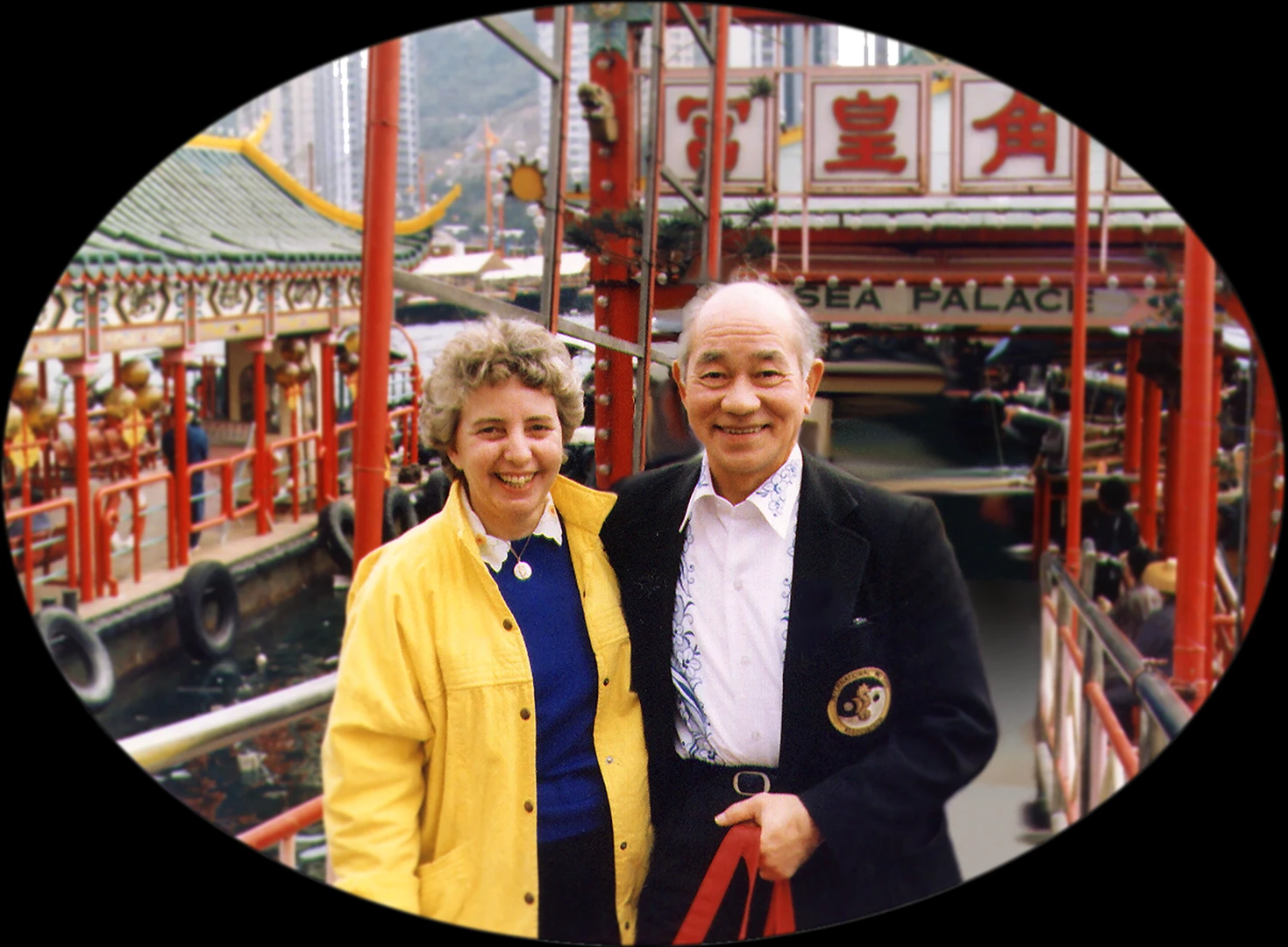
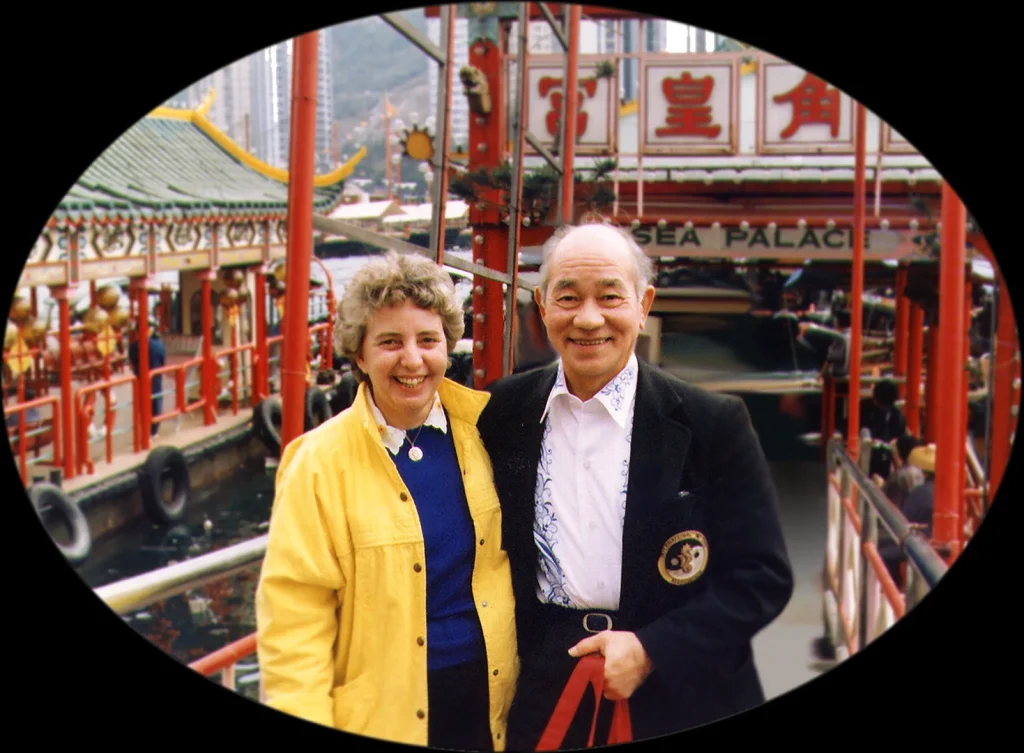
    Marilyn and Chee Soo in Hong Kong

    Lee Style T’ai Chi, as taught by Chee Soo, emphasizes the development of internal energy and relaxation through slow, flowing movements. Here are some tips to help you improve your practice of Lee Style T’ai Chi:

    1. Learn the Basics: Lee Style T’ai Chi has a specific set of movements and principles that are essential to mastering the art. Take the time to learn the basics from a qualified instructor who has experience teaching this style.
    2. Practice Regularly: Consistent practice is key to improving your T’ai Chi skills. Aim to practice for at least 15-30 minutes a day, preferably at the same time each day. This will help you develop a routine and make it easier to stick to your practice.
    3. Focus on Internal Energy: Lee Style T’ai Chi emphasizes the cultivation of internal energy, or chi, which is believed to flow through the body’s energy channels. Focus on breathing deeply and smoothly, and imagine your breath moving through your body, filling it with energy.
    4. Pay Attention to Your Posture: Good posture is essential to performing T’ai Chi movements correctly. Make sure your spine is straight, your shoulders are relaxed, and your weight is balanced evenly between your feet.
    5. Incorporate Meditation: Meditation can help you develop the mental focus and concentration needed to perform T’ai Chi movements correctly. Try incorporating a few minutes of meditation into your practice, either before or after your T’ai Chi routine.
    6. Seek Out Additional Resources: There are many resources available to help you improve your Lee Style T’ai Chi practice, including books, videos, and online courses. Consider supplementing your in-person instruction with additional resources to deepen your understanding of the art.

    By following these tips and working with a qualified instructor, you can improve your Lee Style T’ai Chi practice and experience the many benefits of this ancient martial art.